
Finding a reliable electrician is rarely a decision people postpone.
When a circuit trips, a socket overheats, or a business needs certification, they go to Google. They type exactly what they need, in the area they need it, then choose from the first names they see. If you’re not visible, you’re not called, not because you lack skill, but because you weren’t there at the moment of need.
SEO for electricians makes you visible where intent is highest. It puts your website and Google Business Profile in front of local customers who are already looking for your services.
Done well, it turns search into a steady stream of phone calls, contact forms, and booked visits across domestic and commercial work.
Summary
Electrician SEO is about showing up for urgent, service-specific searches (EICRs, consumer unit upgrades, fault finding, EV chargers) in the exact areas you serve, then making it effortless for someone to choose you.
This article explains how Google decides who appears in the map pack and organic results, and how to improve your chances with a complete, active Google Business Profile, consistent business details across the web, focused service and location pages, and visible trust cues like accreditations, real project photos, and recent reviews that mention the job and location.
It also covers what a high-converting electrician website needs on mobile and how clear Q&A-style content supports newer AI and voice-led search behaviour.
Why SEO Matters For Electricians
People search with purpose. Terms like “emergency electrician in [town]”, “consumer unit upgrade [area]”, “EICR certificate near me”, and “EV charger installer [city]” are not casual browsing. They are high-intent searches from people ready to hire.
If your site and local profiles do not reflect those needs, the work goes to a competitor who does.
SEO aligns your online presence with real searches, for the services and places you want to win. It reduces reliance on paid ads, smooths the peaks and troughs between urgent callouts and planned projects, and builds an owned pipeline that compounds month after month.
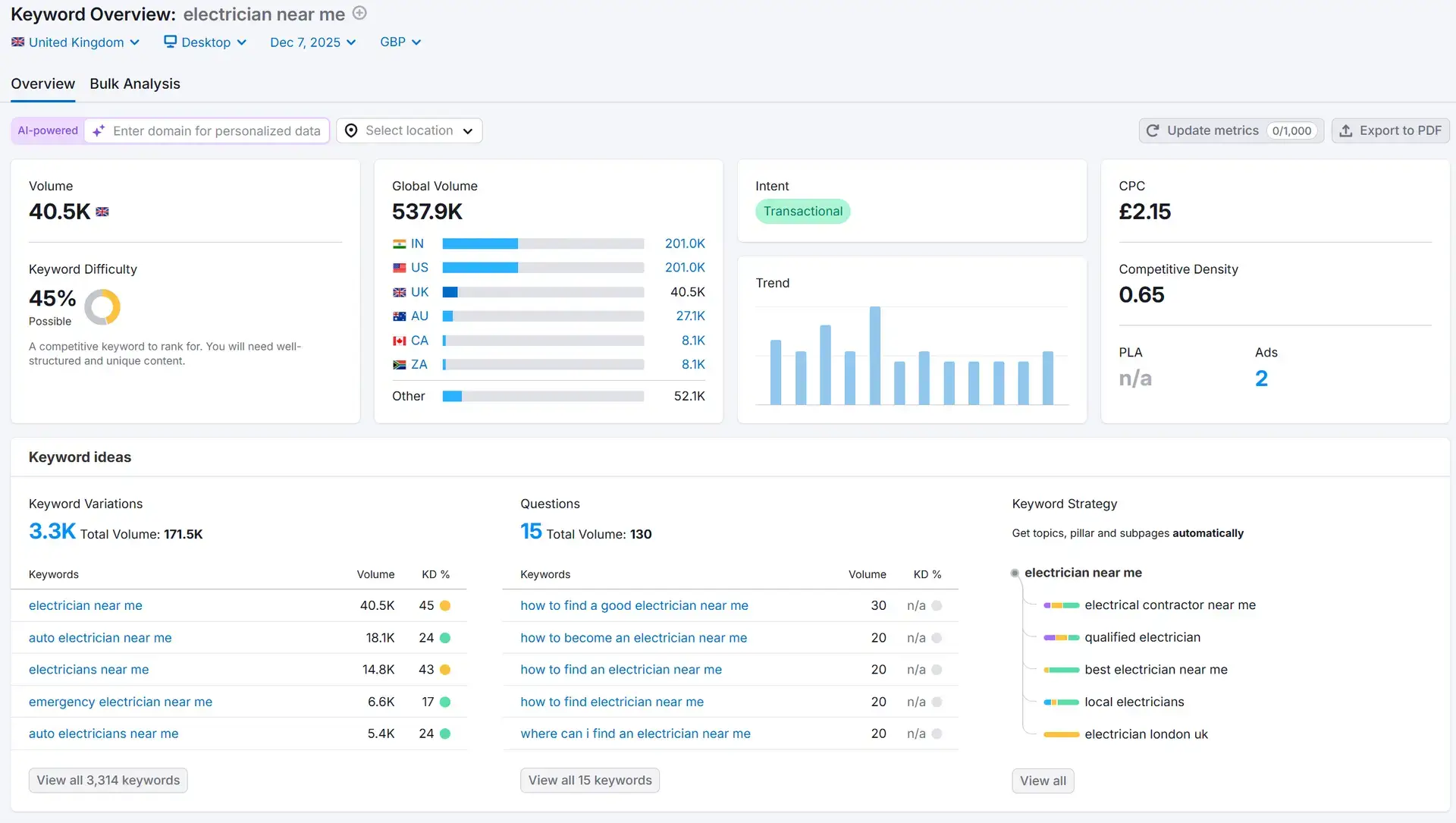
According to SEMRUSH search data, roughly 40,500 people in the UK type in “electrician near me” each month.
Keyword tools consistently show high demand for electrician searches in the UK. “Electrician near me” alone attracts tens of thousands of searches each month, and service-led terms like “emergency electrician” still generate strong, regular demand in major cities.
Let’s say you’re an electrician in Leeds who specialises in full house rewires. If your website doesn’t clearly state that, and there’s no page for that service or the areas you cover, you’ll struggle to rank.
Google needs clear signals, and that’s exactly what SEO provides. It helps match your site to real, high-intent searches from local customers.
How Google Chooses Which Electricians To Show
Search engines reward businesses that are clear, relevant, nearby, and trusted. For electricians, that means three foundations working together.
Relevance
Create focused pages for each service you actually deliver. A single catch-all “Services” page will not match varied intent.
Dedicated pages for rewiring, consumer unit upgrades, lighting design, fault finding, EV chargers, PAT testing, landlord inspections, and commercial fit-outs help Google match you to specific searches.
These pages should use plain language, show outcomes, and answer common questions up front.
Location
Most customers want someone local. You cannot move your base, but you can be explicit about the areas you serve.
Build thoughtful location pages for towns and neighbourhoods you cover, with details that feel local and genuine. This helps you appear in organic results beyond your immediate map radius.
Reputation
Regular, recent reviews and real project evidence are strong signals. Search engines prefer businesses that look active and responsive. So do customers. Reviews that mention the job type and the area are especially helpful.
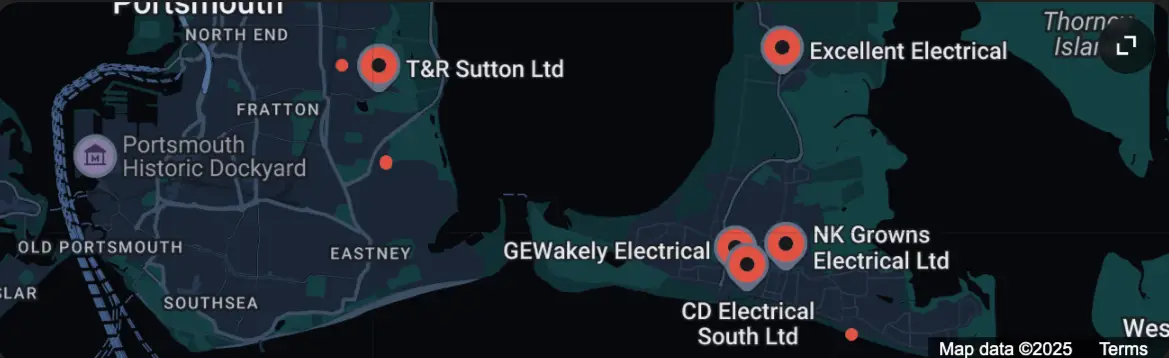
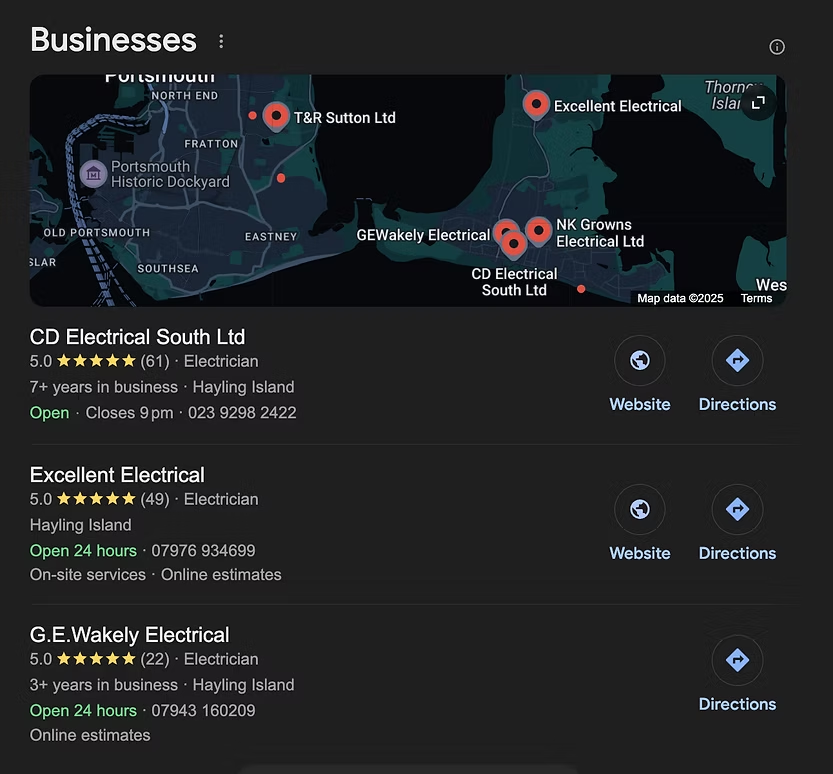
One of the most powerful spots to appear in is Google’s Local Pack. These are the map listings that sit above the normal search results.
Businesses that appear here get far more calls than those further down the page. Getting into this section takes work. A solid Google Business Profile, local content, and plenty of reviews all play a role.
SEO is not magic. It is the consistent application of these principles across your website, Google Business Profile, and wider web presence.
Need more electrical call-outs from Google?
See my SEO services for electricians.
Local SEO For Electricians: Winning The Map And The Call
The local pack is prime real estate. When someone searches “electrician near me”, those three local results capture most clicks and calls. Landing here is not luck. It is the result of an accurate profile, strong reviews, and consistent location signals.
Start with your Google Business Profile. Complete every field. Add services and attributes that reflect real work, such as emergency response, residential, commercial, EV charging, or weekend callouts. Keep hours accurate.
Add photos of your team, van branding, testing equipment, fuse boards, cable management, and finished work. Real images build trust faster than any stock shot.
Keep your NAP details identical everywhere your business appears online. That includes your website footer, Facebook page, trade directories, and industry bodies. Consistency helps search engines join the dots and improves local visibility.
If you operate across several towns, your profile may not show in the map for all of them. Your profile won’t show in the Local Pack for every town you serve. That’s where your website does the heavy lifting. Location-focused service pages can win organic rankings just below the map results, which still drive steady calls — especially for specific jobs like EICRs, consumer unit upgrades, and EV charger installs.
How To Optimise Your Google Business Profile
Too many electricians set up their profile once and forget about it. But an active, fully completed profile makes you easier to find and more trustworthy to new customers.
Fill Out Every Detail
It sounds simple, but it’s often overlooked. Double-check that your name, phone number, address, website, and working hours are all correct. Keep them updated, especially if anything changes, like weekend availability or emergency hours.
Choose The Right Category
Your main category should be “Electrician”. But don’t stop there. Add secondary services you provide, like “Lighting contractor”, “EV charger installer” or “Emergency electrician”.
This helps you show up in more searches and makes it clearer to potential customers what you actually do.
Use Authentic Imagery
Stock photos don’t build trust. Real images of your team, work van, tools, and recent jobs go a long way. They show you’re a genuine, local business, not a faceless listing. Aim to keep your photos updated every few months.
Post Regularly
Use this space for real, practical updates: a recent consumer unit change, a landlord EICR reminder, a before-and-after of a tidy rewire, or a quick note on seasonal demand (outdoor lighting, garden sockets, Christmas load issues). These posts keep the profile active and show customers the kind of work you actually do.
Gain Reviews
Ask happy customers to leave a review, and respond to them when they do. Even a simple thank you shows potential customers you’re engaged and professional. More reviews also mean higher rankings and more trust.
Top Tip
“Greg Gifford suggests treating your Google Business Profile like a second website.
That means adding content, photos, services, and FAQs to help potential customers make a decision before they even click through to your main site. It’s not just a listing. It’s a conversion tool.”
Website SEO For Electricians
Once someone clicks, the site must do simple things very well. Tell them what you do, where you work, when you can help, and how to reach you. Then prove it with reviews and real jobs. Add your key trust signals in plain sight: NICEIC/NAPIT details, insurance, certification scope, and response times where relevant.
Strong on-page SEO share the same traits. Titles and meta descriptions that read naturally and include the service and place. Clear headings. Short paragraphs that answer the question in the visitor’s head.
Prominent phone numbers that tap to call on mobile. A form that works first time. Trust elements close to your calls to action, like review badges, trade accreditations, and insurances.
Top Tip
“In your page titles, headings, and opening paragraph, say the service and the town. Do the same in your Google profile services list.”
A service page about consumer unit upgrades should explain symptoms, safety benefits, typical durations, testing steps, and what happens on the day. A page on EV chargers should cover the process, grant notes if relevant, charger types, and neat cable routing.
Commercial pages should talk about RAMS, permits, out-of-hours work, and reporting. Domestic pages should be human and reassuring. The tone matters as much as the keywords.
Internal links help visitors move between related needs. Link fault finding to fuse boards. Link PAT testing to landlord checks. Link EV chargers to panel capacity upgrades. This helps users and helps search engines understand your site structure.
Match real searches and real urgency
Most people aren’t just typing “electrician” into Google. They’re using longer, more specific searches based on their needs and urgency.
Your site should reflect that with targeted keywords that speak directly to those searches.
For example:
- “24-hour emergency electrician in Bristol”
- “Fuse box replacement in Nottingham”
- “Commercial electrician for office fit-outs in Sheffield”
These aren’t broad terms. They’re from people ready to pick up the phone. Matching your site content to these phrases increases your chances of turning visits into calls.
Content Marketing
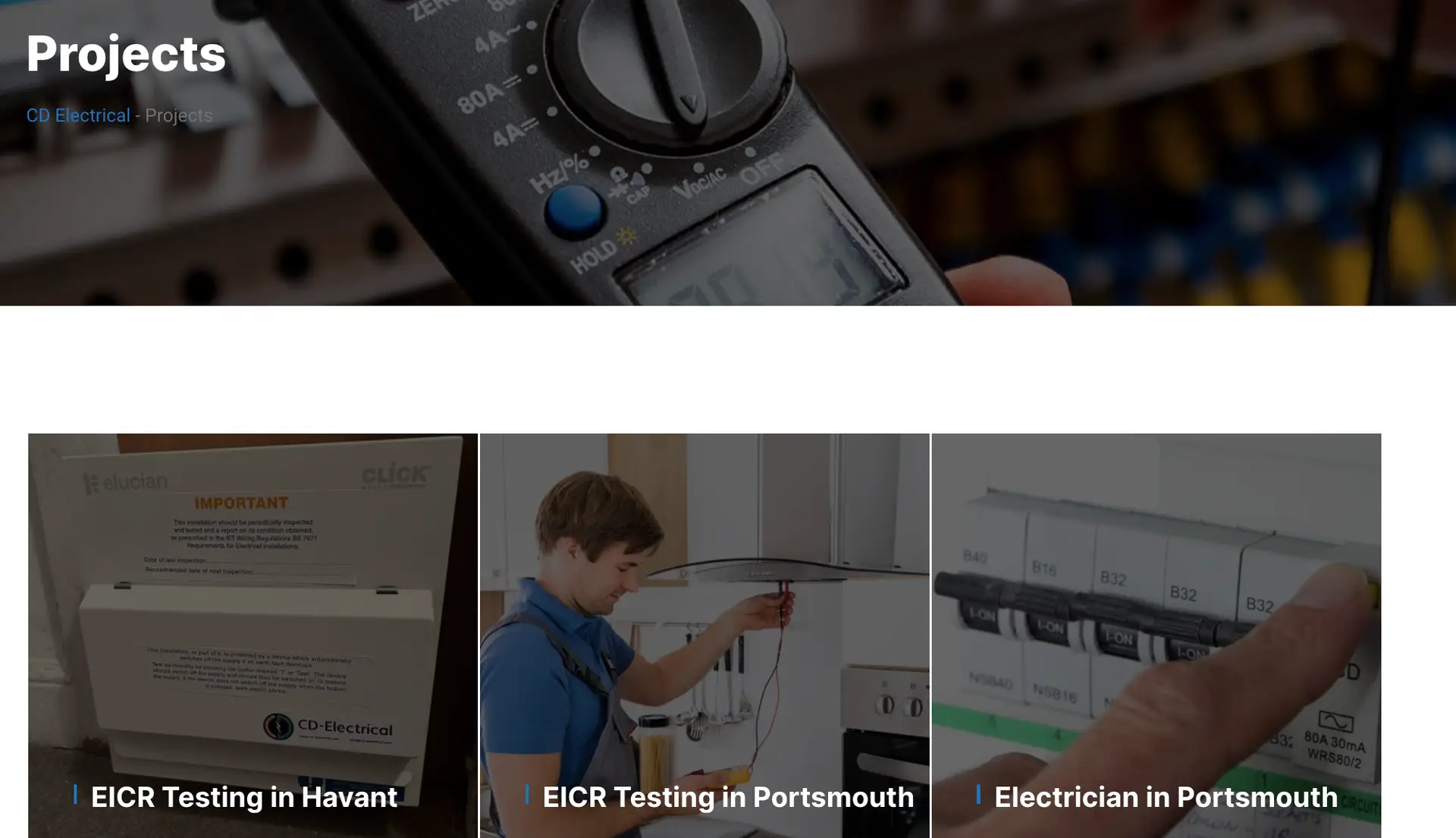
Content is not about volume. It is about usefulness. Publish the answers people actually need, in the language they actually use.
SEO isn’t just about keywords. It’s about showing you know your stuff. Useful, well-written content builds trust and helps your site rank higher.
Here are a few content ideas that work well:
How To Tell If Your Home Needs Rewiring
This type of blog post or service page helps homeowners identify early warning signs before they turn into safety risks. Flickering lights, frequently tripped breakers, or sockets that feel warm to the touch can all point to underlying electrical issues.
Many people don’t realise how old their wiring is or how much demand modern appliances place on outdated systems. A well-written guide not only educates but subtly builds urgency. It shows you understand the risks and can provide a safe, reliable solution.
This kind of content builds trust and encourages people to get in touch for a proper inspection.
Best Energy-Efficient Lighting For Home And Businesses
This kind of article does more than just attract search traffic. It gives people practical, up-to-date advice when they’re trying to cut energy costs or upgrade old systems.
You might break it down into two sections (one for homeowners and one for commercial clients).
- For residential readers, you could explain the benefits of LED bulbs, smart lighting systems, or motion-sensor fittings in hallways and outdoor spaces.
- For businesses, focus on lighting controls, energy audits, and the impact of switching large commercial spaces to efficient alternatives.
It’s helpful to include simple comparisons or quick savings estimates. People want to know what difference it will actually make.
Will it reduce bills?
Improve brightness?
Lower maintenance costs?
These kinds of details build trust and show you know what you’re talking about.
From an SEO perspective, using “Best” in the title isn’t just a stylistic choice. In a test run by Sterling Sky, adding “BEST” to article titles actually led to a noticeable increase in clicks. It’s a small change, but one that can have a measurable impact on how your content performs in search results.
So when you create a page like this, don’t just focus on keywords, focus on being genuinely helpful. Make sure the advice is clear, easy to understand, and relevant to the services you offer.
Over time, this kind of content attracts more visitors, keeps them on your site longer, and turns casual browsers into potential customers.
EV Charger Installation: Costs And Benefits
As more drivers switch to electric, the demand for home and workplace chargers keeps growing. But many customers are still unsure about the installation process, how much it costs, and what to expect.
This content helps guide them through it, answering key questions around regulations, grants, and the best charger types for different needs. It’s a great way to position your business as both practical and forward-thinking. It also attracts people early in their research phase, which gives you a chance to win their trust before they choose an installer.
Keep each piece practical, short enough to read on a phone, and tied to a next step. Add a single call to action at the end. One action beats four.
Location-Related Content Pages
You don’t need multiple offices to attract work from nearby towns. Smart Local SEO allows you to expand your visibility with location-specific pages on your website.
If you’re based in Leeds but often take on jobs in Bradford, Wakefield, or Huddersfield, it makes sense to create a separate page for each area. These pages should clearly explain the services you offer there, include references to local landmarks or neighbourhoods, and answer common questions from customers in that location.
This approach is particularly useful if you’re running your business from a home address. Google Business Profiles that list a residential location will usually only show in a tight radius around that postcode. You won’t appear in the local results for towns further out, even if you regularly work there. That’s where your website steps in.
While you might not show in the Local Pack for areas beyond your immediate base, well-structured location pages can still help you appear in the regular search results just below the map. These results are often overlooked, but they bring in steady traffic from people searching for electricians in nearby towns—people who may not find you any other way.
It’s a simple, low-cost way to stretch your reach without needing multiple listings or extra premises. Just make sure each page feels unique, speaks to the local audience, and matches the kind of jobs you want more of.
Top Tip
“Keep language simple and direct. Explain the fix, the benefit, the timescale, and the next step. People remember clarity.”
AI Search Optimisation
Search is changing. People now ask conversational questions through Google’s AI Overviews, Gemini, and voice assistants. These systems summarise clear answers from trusted sources. They prefer content that is structured, factual, up to date, and easy to quote.
You can prepare by writing in natural Q&A formats inside your pages. Add short FAQ blocks that answer common questions directly.
Keep business information current, including hours, emergency availability, and coverage. Use schema so machines understand your services and reviews. Publish concise guidance that helps people understand the situation and what to do next, without instructing anyone to carry out electrical work themselves.
When someone asks, “Who can replace a fuse board in [town] today?”, AI systems look for a nearby business with a clear service page, a solid profile, fresh reviews, and precise availability. Give them all four.
Reviews And Reputation
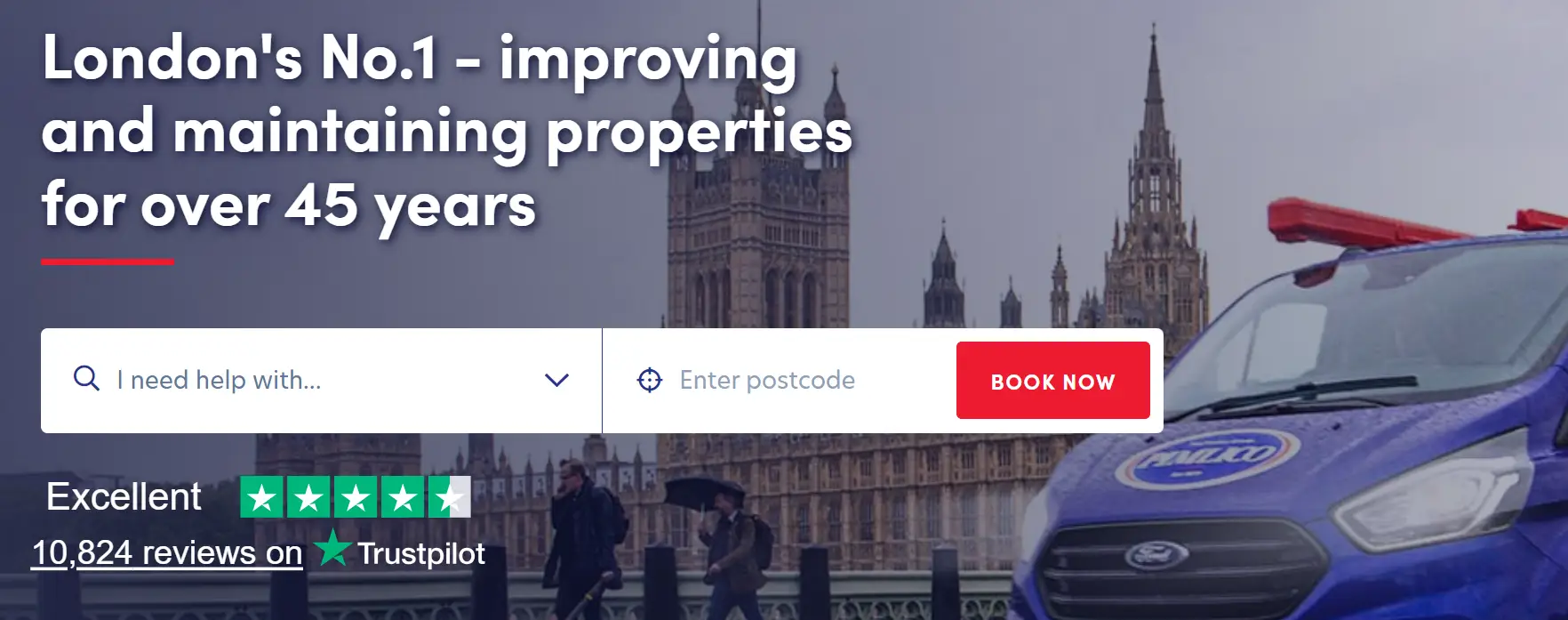
Reviews do more than convert visitors. They also push you up the local results. Ask for feedback at natural points, such as after signing off an EICR, completing a rewire, or fitting an EV charger.
Make it easy with a short link in your invoice or a polite follow-up message. Respond to every review. Thank positive ones and address concerns calmly. People read your replies as much as the stars.
Reviews work even harder when they include context. Encourage customers to mention the area and the job type in their own words. It helps future customers decide and helps search engines connect your brand with specific needs.
Top Tip
“Add a brief request to invoices and a one-tap link in your follow-ups. Little and often beats a big push once a year.”
Local Links And Professional Signals

Search engines value references from reputable places. A handful of quality mentions is worth more than a long list of weak ones.
Good sources include local press, community sites, property blogs, and partners such as builders, plumbers, and solar installers. Trade bodies and scheme membership profiles should link back to your site.
If you publish a short market note on energy saving or electrical safety and it gets quoted, that single citation can be more valuable than ten directory listings.
Host a short safety workshop with a local landlord group. Share a simple compliance checklist that a neighbourhood forum can link to. Practical contributions earn natural links and real-world trust at the same time.
Multi-Van, Multi-Area, And Out-Of-Hours Work
Bigger electrical firms need structure that scales. Create a page for each branch or depot with its own contact details, team info, and service focus. Avoid near-duplicate text across towns. Let each page read like it belongs to that location.
For out-of-hours services, make availability and response times clear. Add a small banner that appears site-wide after office hours with a direct dial.
Keep your emergency page light on images and heavy on the action people need to take. If you limit emergency cover to certain postcodes, say so plainly.
Commercial clients often value predictability. Add a short overview of your process for tenders, RAMS, site audits, and handovers. Show that you are set up for compliance and communication, not just the technical task.
Frequently Asked Questions For Electrical SEO
How Long Does SEO Take To Work For Electricians?
You should expect steady movement within three to six months, with the first signs often coming from local visibility and service-page clicks. Timings vary by competition, site quality, and how complete your Google Business Profile and reviews are.
The pace depends on where you start. A site with slow load times, thin content, and no reviews will need groundwork before results arrive. A tidy site with strong reviews often moves faster because trust signals are already in place.
Do I Need A Page For Every Service?
You do not need dozens of thin pages. You need focused, useful pages for the work you want to win. Quality beats volume. Pick your revenue drivers and create one strong page for each.
If a service is minor or rarely requested, include it in a broader page rather than forcing a stand-alone. Keep your effort where demand and margin live.
Can I Rank In Nearby Towns Without A Second Office?
You can improve organic visibility in nearby towns with well written location pages that reflect real work in those places.
Local pack results are tied to your base, so you are unlikely to appear in the top three local listings outside your core radius. The organic results below the map are wide open and can still bring enquiries.
Avoid copy-and-paste across locations. One strong page that reads like it belongs to that town will outperform five weak ones.
What Matters More My Website Or Google Business Profile?
Both matter. They do different jobs and they support each other.
Your Google Business Profile wins the local pack and the quick calls. Keep it complete, accurate, and active. Add real photos, list key services, post short updates, and reply to every review. Use a tracking number and UTM tags so you can see exactly how many calls and visits come from Maps.
Your website wins broader searches, converts larger jobs, and feeds ranking signals back to the profile. Service pages explain the work in depth, location pages extend your reach, and case studies prove reliability. The site is also where you control speed, structure, and trust elements that lift conversion.
How Do I Appear In AI-Style Results?
Answer common questions directly on your pages, keep information current, use schema, and maintain recent reviews. AI systems look for clarity, freshness, and trust.
Practical steps that work:
- Add short Q&A blocks to service pages. Write the question the way a customer would ask it, then answer in two or three clear sentences.
- Keep details up to date. Hours, emergency cover, areas served, and contact details must be current. AI models downplay stale information.
- Use structured data. LocalBusiness, FAQPage, and Product or Service markup help machines understand who you are and what you offer.
- Write naturally for voice queries. People ask “Who can replace a fuse board in [town] today?” Use that phrasing in headings where it fits.
- Build proof. Recent reviews that mention job type and place are often referenced by AI summaries and voice assistants.
Think of AI results as the fastest version of word of mouth. Clear answers, real proof, and fresh data put you in the running.
The Bottom Line
SEO for electricians isn’t about tricking search engines. It’s about being visible to the people who need your help, at the moment they’re ready to book.
A well-structured website, a complete Google Business Profile, and useful content create a reliable flow of enquiries without leaning on expensive ads. If your phone isn’t ringing as much as it should be, start with the basics: make your profile active, earn more reviews, build focused service pages, and keep the booking journey simple on mobile.
Done consistently, SEO becomes an owned source of work that compounds. When your business shows up before your competitors, that alone can be the difference between a quiet week and a full diary.