
Most small business websites do not need a complete rebuild to see better results.
Usually, the quickest gains come from improving things that are already close to working. Pages getting impressions but very few clicks. Blog posts that ranked well six months ago but slowly slipped. Service pages that explain the offer properly but are awkward to crawl or difficult to navigate.
That’s the focus here.
Not hacks. Not shortcuts. Not another giant list of SEO tools.
These are practical SEO improvements you can realistically make over a week or two, then measure properly afterwards. Some changes can move traffic surprisingly quickly. Others take a little longer. Either way, they tend to strengthen the site overall instead of creating short-term spikes that disappear a month later.
Summary
– Improve title tags on pages already getting impressions but weak click-through rates
– Add clearer internal links so users and search engines can move through the site more naturally
– Refresh older pages that still have visibility rather than constantly publishing from scratch
– Keep mobile performance fast by reducing unnecessary scripts, plugins, and heavy images
– Use structured data where it genuinely supports the page content
– Avoid splitting the same topic across multiple weak pages competing against each other
– Build a simple monthly routine: improve one page for clicks, refresh one older post, add internal links, then check Search Console for technical issues
– Focus on consistency rather than trying to overhaul everything at once
Quick SEO Wins For 2026
Pick three improvements, finish them properly, then track what changes in Google Search Console and Analytics.
That part matters more than people think.
If you change ten things at the same time, it becomes difficult to understand what actually improved performance. Small, measurable changes usually give you better long-term decision making.
1) Improve title tags so more people click
If a page ranks but nobody clicks it, there is usually easy traffic sitting there waiting.
This happens constantly on older blog posts and service pages. The page itself may still be useful, but the title feels flat, vague, or too similar to every other result on page one.
Your title tag is effectively the first promise you make to somebody searching.
In 2026, titles that perform well are usually clear rather than clever. Put the main topic near the start, then give people a reason to care. That could be a timeframe, a practical outcome, a number, or a specific angle.
Simple nearly always works better than hype.
For example, “Quick SEO wins for small business sites” tells the reader exactly what they’re getting. “9 quick SEO wins you can do this week” adds a little urgency without sounding forced.
A lot of businesses overcomplicate this part. They try to sound smart instead of useful.
What to do today: Open Search Console and look for pages with strong impressions but weak click-through rates. Rewrite the titles so they read more naturally, avoid repeating the same wording across multiple pages, then compare the next 28 days against the previous 28 days.
2) Strengthen internal links with intent
Internal linking still gets overlooked far too often.
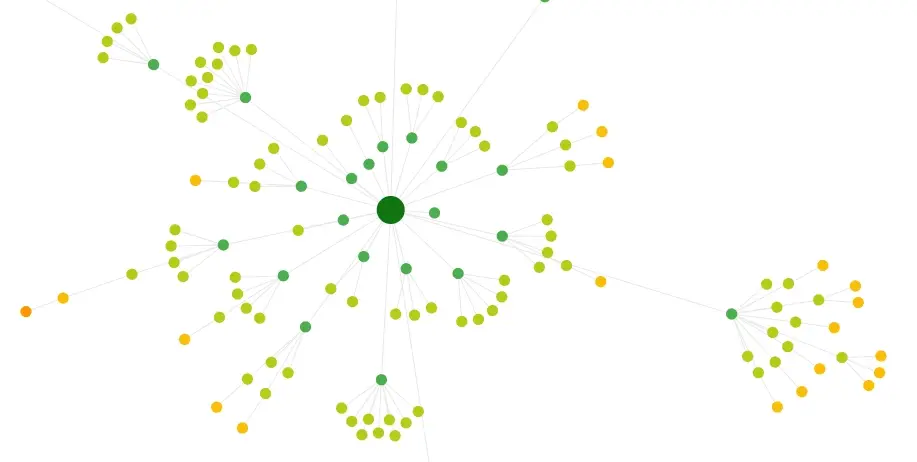
Good internal links help search engines understand how your content connects together, but they also improve the experience for actual readers. Somebody lands on one useful page, then naturally finds the next useful page without needing to search again.
That matters.
Start with pages already performing well. Older blog posts, guides, and established service pages usually carry the strongest authority signals. Add a few sensible links from those pages toward newer or weaker pages that deserve more visibility.
It’s one of the fastest ways to support rankings without waiting months for external links.
Anchor text matters too.
“Click here” tells nobody anything. A link saying “technical SEO checks for small business sites” gives both users and search engines much more context. Just keep it natural. Most businesses go wrong when they start forcing exact-match phrases everywhere.
Top Tip
“Create one strong page around ‘Quick SEO wins’, then link outward to more focused pages like ‘title tag writing’, ‘image optimisation’, and ‘indexing checks’. Each supporting page should also link back to the main hub. It keeps the structure cleaner and makes crawling easier.”
3) Add structured data that actually matches the page
Structured data still helps, but the approach has changed.
The win in 2026 is not adding every schema type possible and hoping for rich results. The win is using markup that genuinely fits the page and keeping it accurate over time.
For most small business websites, the useful types are fairly straightforward:
– Organisation
– LocalBusiness
– Breadcrumb
– Article
– Product schema for e-commerce pages
These help search engines understand the page more clearly and can sometimes improve how listings appear in search.
The important part is honesty.
Only mark up information that genuinely exists on the page. A surprising number of websites still add schema for content that users cannot actually see.
FAQ rich results are less visible than they used to be (and as of May 2026 Google has announced they are fully depricating FAQs within the SERPs), but FAQs themselves are still useful. They help answer smaller follow-up questions and often support longer-tail searches naturally.
Think of FAQ schema as a bonus rather than the entire reason for creating the section.
What to do today: Use JSON-LD where possible, validate the markup properly, and remove anything outdated or inaccurate.
4) Refresh older content that has slipped
A lot of traffic declines happen quietly.
Pages drift from position four to position eleven. Blog posts slowly become outdated. Competitors publish clearer answers. Search behaviour changes a little.
Then six months later somebody notices traffic has halved.
Refreshing content is often far quicker than creating something entirely new.
Start with pages already getting impressions. Those pages are still relevant enough to appear in search results. They usually just need tightening up.
Update examples. Improve introductions. Bring the main answer closer to the top of the page.
Headings matter here too.
Search behaviour has become far more conversational, especially with AI-assisted search experiences becoming normal. People search using fuller questions now. Your H2s and H3s should reflect that language naturally.
Not awkwardly stuffed keywords. Real questions.
What to do today: Pick three older posts. Rewrite the first 200 words, add one genuinely useful new section answering a common follow-up question, and improve the internal links.
5) Fix images for speed and search
Image optimisation is still one of the quickest technical wins available.
Large image files slow pages down badly on mobile, and mobile experience still shapes how people interact with websites. If pages feel clunky, people leave quickly. That part has not changed.
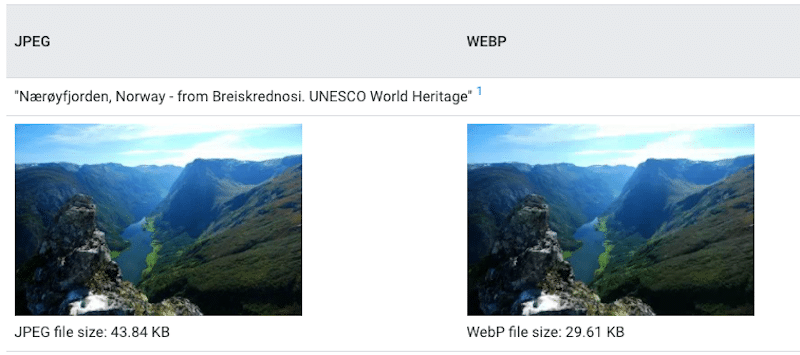
Compress images before uploading them.
Use modern formats like WebP where possible. Set proper dimensions so layouts do not jump around while the page loads.
Small details like that make websites feel smoother immediately.
Alt text matters too, but it should sound natural.
Describe the image plainly. If it is a product photo, mention the product. If it is a team image, say that. Most websites still treat alt text like a place to dump keywords and it usually reads terribly.
Nobody benefits from that.
6) Improve speed with a focus on interaction
Page speed is no longer just about how quickly something appears on screen.
A site can technically load fast and still feel frustrating.
Menus lag. Buttons respond slowly. Forms freeze for a second before reacting. On mobile, those small delays become very noticeable.
Usually the problem is unnecessary weight.
Too many plugins. Heavy tracking scripts. Bloated themes. Chat widgets nobody even uses anymore.
Honestly, this is where things often become messy.
A lot of businesses keep adding things to their website without ever removing anything.
Run PageSpeed Insights and focus on the biggest mobile issues first. Not all twenty recommendations. Just the top one or two.
Trying to fix everything in one go usually burns time without creating much noticeable improvement.
Top Tip
“Chat widgets, heatmaps, pop-ups, and multiple tracking tags often slow interaction badly. Remove what you no longer use and delay anything that does not need to load immediately.”
7) Target long-tail searches with clearer intent
Broad keywords look attractive, but they are often vague and fiercely competitive.
Long-tail searches tend to show clearer intent.
Someone searching “SEO” could mean almost anything. Someone searching “quick SEO wins for a WordPress site” is much closer to needing a practical solution.
That usually leads to better engagement and stronger enquiries.
Long-tail content also helps build topical depth across the site over time. A group of useful, connected pages often performs better than one broad page trying to rank for everything.
Write content that solves the full problem.
Use practical examples. Include short checklists where they genuinely help. Make the advice easy to follow.
A lot of SEO content explains ideas endlessly without helping people actually do anything.
That part gets overlooked constantly.
8) Format content so it is easier to pull into snippets
You cannot force Google to show a featured snippet, but you can make extraction easier.
Pages that win snippets usually answer the question quickly before expanding further.
Use question-style headings where they fit naturally, then follow them with a short direct answer.
After that, go deeper.
Lists work well when the topic genuinely suits a list. Tables work well for comparisons. The key thing is clarity.
Many pages bury the actual answer under long introductions and filler paragraphs. Readers get frustrated quickly now.
Top Tip
“After the introduction, include a short summary explaining what the reader will learn and what result they can expect. It helps skimmers and often improves clarity overall.”
9) Check indexing and crawl issues every month
Technical problems often sit quietly in the background while traffic slowly stalls.
Broken links. Incorrect canonicals. Redirect chains. Important pages sitting in “discovered, not indexed”.
Small problems add up.
Search Console should be part of a regular monthly routine, even for smaller websites.
Check indexing reports, look for unusual spikes in errors, and confirm important pages are still being crawled properly.
If traffic suddenly drops, technical checks should usually come before panic.
A surprising number of ranking drops come from fairly fixable technical issues.
10) Remove or merge pages that compete with each other
Keyword cannibalisation is still one of the most common hidden SEO problems.
A business publishes one article, then another very similar article six months later, then maybe a third variation later again.
Eventually multiple pages compete for the same searches and none of them perform particularly well.
You often see this when rankings bounce between URLs.
One page appears one week. Another appears the next.
Or several pages sit around positions 10 to 30 without properly moving upward.
Usually the fix is simpler than people expect.
Choose the strongest page and make that the primary version.
Then either:
– merge useful information from weaker pages into the stronger page
– tighten the weaker page so it targets a clearly different angle
– redirect old URLs where appropriate
This tends to work because it concentrates signals instead of splitting them.
You end up with:
– one stronger page
– clearer internal linking
– less confusion for search engines
– a better experience for users
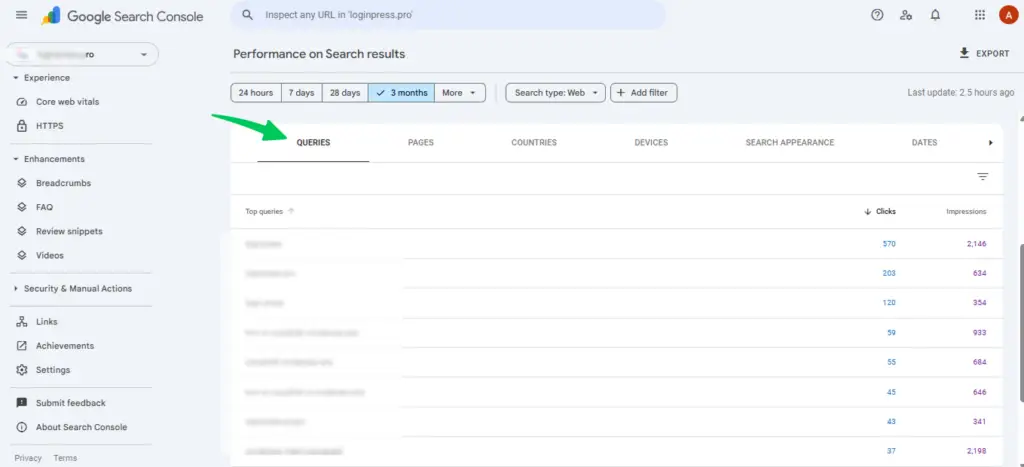
What to do today: In Search Console, look for queries where multiple pages receive impressions for the same term. Pick a primary page, improve it properly, then redirect or reposition the weaker version.
How This All Fits Together
Quick SEO wins in 2026 usually come from improving things that are already nearly working.
Better titles on pages with impressions but weak clicks. Smarter internal links from stronger pages. Older content refreshed before it becomes stale. Faster mobile experiences without unnecessary clutter.
None of this is especially glamorous. That’s partly why it works.
Most small business websites do not need dramatic SEO reinventions every few months. They need consistent maintenance, clearer structure, and fewer weak points slowing things down.
A simple monthly routine often beats big one-off pushes.
Improve one page for click-through rate. Refresh one older article. Add internal links. Run a quick Search Console check.
Do that consistently for six months and the site usually becomes stronger, cleaner, and easier for both users and search engines to understand.