When the economy slows, most businesses respond in a similar way. Budgets get reviewed. Paid campaigns are cut back. Marketing plans become smaller and more cautious. On paper, it feels sensible. Nobody wants unnecessary spending when uncertainty is hanging over everything.
But this is also where visibility quietly starts to disappear.
People do not stop searching during a downturn. If anything, they search more carefully. They compare options more closely, spend longer researching, and look for reassurance before making decisions. That shift matters. It changes the role SEO plays during a recession because visibility becomes tied much more closely to trust and confidence.
Businesses that stay present during this period are often the ones people remember later. Not because they shouted the loudest, but because they consistently showed up when customers were actively looking.
Summary
– SEO during a recession works because demand usually changes rather than disappears completely
– People spend longer researching, comparing providers, and looking for reassurance before making decisions
– Strong visibility and genuinely useful content become more valuable when customers are cautious with spending
– Businesses that continue investing in Local SEO often stay visible while competitors reduce activity
– Unlike paid advertising, SEO continues working over time and can generate traffic long after content is published
– Consistent SEO creates long-term stability when budgets feel tighter and marketing decisions carry more pressure
– Reviews, local visibility, and clear service pages help smaller businesses build trust and reduce hesitation
– SEO is not simply a short-term response during a downturn. It supports visibility, credibility, and long-term growth while customer behaviour changes
Why SEO During a Recession Still Works
SEO continues to work during a recession because people still need products and services. What changes is how they make decisions.
Customers become more deliberate. They compare providers, read reviews, revisit websites multiple times, and spend longer researching before committing. Search engines sit right in the middle of that process.
That is where SEO becomes valuable.
Good SEO allows your business to appear naturally during active research instead of interrupting people with ads they may already be ignoring. There is a big difference between somebody casually scrolling social media and somebody actively searching for answers or solutions.
A recession also changes competitive visibility. Many businesses reduce marketing activity at exactly the point they should probably stay consistent. Rankings weaken, websites become outdated, and gaps start appearing across search results.
Businesses that continue improving content, updating pages, and maintaining visibility often benefit from that shift over time.
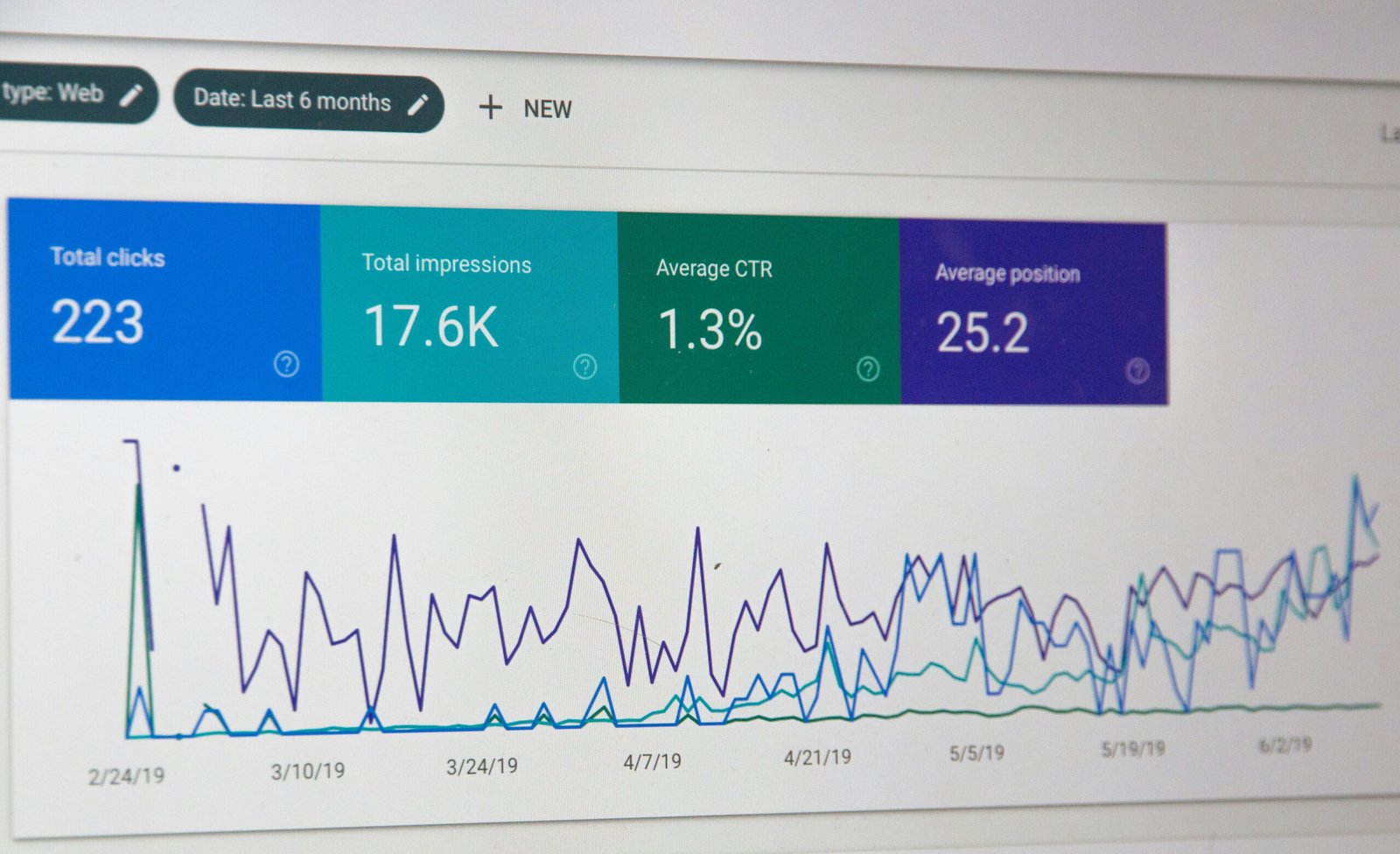
It is rarely dramatic overnight growth. Usually it is quieter than that. A gradual increase in rankings. More consistent enquiries. Better visibility in searches that competitors previously dominated.
That steady momentum matters.
SEO during a recession works because it aligns naturally with cautious customer behaviour. People want clarity, reassurance, and confidence before spending money. Search is often where they go looking for it.
The Long-Term Value of SEO Beyond the Recession
One of the biggest differences between SEO and paid advertising is longevity.
Paid campaigns stop generating traffic the moment budgets pause. SEO does not work like that. A useful service page, guide, or well-structured website can continue attracting visitors long after the initial work is done.
That long-term value becomes far more noticeable during difficult economic periods.
When businesses continue improving their websites during a downturn, they are not just trying to generate immediate leads. They are building a stronger foundation for later as well. Rankings build gradually. Authority builds gradually. Trust does too.
And while competitors pull back, opportunities quietly open up.
Search results are not fixed. If other businesses stop publishing content, stop updating pages, or neglect their websites, those positions become easier to compete for. Businesses that remain consistent often come out of slower economic periods in a much stronger position than expected.
Research from BrightLocal supports this behaviour shift too. Visibility, reviews, and local trust signals influence how customers decide who feels reliable, particularly when spending decisions feel more important.
That part gets overlooked constantly.
SEO is not simply about rankings during a recession. It becomes part of how businesses stay discoverable and credible while customers become more selective.
TOP TIP
“Strengthen trust signals across your website wherever possible”
People become more cautious during uncertain periods, so reassurance matters more than usual.
Clear service explanations, transparent pricing where appropriate, testimonials, case studies, and realistic expectations all help reduce hesitation.
Even small details matter here. Simple contact information, clear next steps, and honest explanations often build more confidence than overly polished sales messaging.
Why SEO Becomes More Relevant When Budgets Drop

When budgets tighten, marketing decisions suddenly become much more scrutinised.
Paid advertising can become difficult to sustain because visibility depends entirely on ongoing spend. The moment campaigns stop, traffic usually drops with them.
SEO works differently.
A large part of SEO involves improving what already exists. Updating service pages. Strengthening content. Improving technical performance. Making the website easier to use. Building topical authority gradually.
That makes SEO feel more stable during uncertain periods because progress is not tied directly to daily ad spend.
For smaller businesses especially, this flexibility matters.
There is also a behavioural shift happening underneath all of this. Customers start prioritising value, reassurance, and clarity. They become less responsive to aggressive marketing and more interested in businesses that appear trustworthy and helpful.
SEO supports that naturally.
Useful content answers questions before customers even make contact. Clear service pages reduce uncertainty. Strong reviews help people feel safer making decisions.
Visibility alone is not enough anymore. People want confidence in what they are choosing.
And honestly, businesses that understand that tend to perform better during slower periods.
How to Future-Proof Your Website for a Recession
Future-proofing a website is really about creating something stable and useful rather than constantly chasing short-term wins.
Some businesses panic during economic slowdowns and start making rushed changes everywhere. New offers. New messaging. Random marketing campaigns. Usually that creates more confusion than progress.
A stronger approach is building a website that remains clear, reliable, and genuinely useful regardless of economic conditions.
– Build clear service pages that explain exactly what you offer and who it helps
– Avoid vague or overly polished messaging that says very little in practical terms
– Create useful content that answers real customer questions naturally
– Focus on topics with long-term value instead of temporary trends
– Improve technical performance so the website stays fast, reliable, and easy to use
– Fix issues like broken links, poor mobile usability, and slow loading speeds
– Structure content so related pages connect naturally through internal linking
– Build topical depth gradually instead of publishing disconnected content randomly
– Update and improve existing content regularly rather than relying only on new pages
One thing many businesses miss is consistency.
SEO usually works best when improvements happen steadily over time. Not through sudden bursts of activity followed by months of inactivity. Small improvements made consistently often outperform larger one-off projects.
It is less exciting, maybe. But usually much more effective.
The Role of Local SEO for Smaller Businesses
For smaller businesses, local SEO often becomes even more important during a recession.
Customers still search for nearby services. In fact, local trust usually matters more when people become cautious with spending.
They want reassurance that the business feels established, reliable, and easy to contact.
That is why local SEO is not only about rankings. It is heavily tied to trust signals.
Keeping your business information accurate matters. Staying active with reviews matters. Clear location pages matter. Recent updates matter.
Reviews become particularly influential during slower economic periods because people rely more heavily on the experiences of others before making decisions.
Most people have done this themselves.
They compare businesses. Read reviews carefully. Look for reassurance that they are making a sensible choice.
A neglected Google Business Profile or outdated website creates uncertainty immediately.
There is also room for businesses to adapt their focus slightly. If certain services remain in stronger demand during a downturn, your website and content can reflect that naturally.
That does not mean changing your entire business direction. Usually it just means aligning visibility more closely with current customer priorities.
Building a Content Strategy That Holds Its Value
A strong content strategy during a recession is rarely about publishing huge amounts of content.
It is usually about usefulness.
Businesses often assume they need constant new articles to compete, but a smaller amount of genuinely helpful content often performs far better than high-volume publishing with very little substance behind it.
Start by looking at gaps.
What are competitors avoiding? Which customer questions are not being answered properly? Where does existing content feel vague, repetitive, or overly sales-focused?
Those gaps create opportunities.
Content that explains things clearly tends to perform well during uncertain periods because customers are actively looking for reassurance and practical guidance.
Evergreen topics become especially valuable here too. Guides, FAQs, comparison pages, pricing explanations, and practical advice can continue attracting traffic long after publication.
And consistency matters far more than perfection.
Search engines tend to reward websites that demonstrate ongoing usefulness and topical depth over time. Not websites publishing rushed content simply to stay active.
It is also important to think about search intent properly.
Some visitors are still researching early-stage questions. Others are already close to making a decision. Your content should support both.
Otherwise people arrive on the website and still leave uncertain.
TOP TIP
“Focus more attention on high-intent searches during slower economic periods.“
People using service-based keywords, location searches, or problem-focused searches are often much closer to making a decision already.
That traffic usually becomes more valuable than chasing large amounts of broad informational traffic.
A smaller number of highly relevant visitors often produces better results than higher traffic with very little intent behind it.
Common SEO Mistakes to Avoid During a Recession
One of the biggest mistakes businesses make during a recession is stopping SEO activity completely.
It usually feels logical at the time. Budgets shrink, pressure increases, and SEO can feel slower compared to channels promising immediate traffic.
But rebuilding lost visibility later often takes far longer than people expect.
Rankings slip gradually. Traffic declines gradually. Then recovery becomes much harder once competitors regain momentum.
Another common mistake is focusing only on short-term wins.
Quick fixes rarely create long-term stability. Businesses sometimes chase isolated ranking opportunities while ignoring the overall quality and structure of the website.
Existing content gets overlooked too.
And honestly, this is where a lot of missed opportunities sit.
Improving older pages, updating outdated information, strengthening internal links, and improving clarity can often deliver stronger results than constantly publishing new content.
Some businesses also try doing everything at once. Technical fixes, blogs, backlinks, redesigns, local SEO, new landing pages. All simultaneously.
Usually that becomes messy quite quickly.
Steady progress tends to work better.
TOP TIP
“Consistency matters more than intensity with SEO”
SEO rarely produces instant results, especially during uncertain economic periods. Businesses that continue making small improvements consistently usually maintain visibility far more effectively than businesses constantly stopping and restarting.
Momentum matters in search. Once visibility drops, rebuilding it often takes longer than expected.
SEO During A Recession FAQs
How long does SEO take to show results during a recession?
SEO normally takes several months to show consistent movement, regardless of wider economic conditions. The timeline depends on competition, website quality, and how consistently improvements are made.
Is SEO more reliable than paid ads during a recession?
SEO is generally more stable long term because visibility does not disappear immediately when spending stops. Paid ads can still work well, but they rely heavily on continuous budget.
Can local businesses benefit from SEO during a downturn?
Yes. Local businesses often benefit significantly from SEO because customers continue searching for nearby services and rely heavily on reviews and trust signals before making decisions.
Should SEO activity be reduced when budgets are tight?
Completely stopping SEO usually creates longer-term visibility problems. Even smaller, consistent improvements tend to protect rankings and maintain momentum more effectively.
What type of content performs best during a recession?
Content that reduces uncertainty tends to perform well. Practical advice, pricing guidance, comparisons, FAQs, and genuinely helpful service information often become more valuable during cautious spending periods.
How This All Fits Together
SEO during a recession is not really about chasing quick wins.
It is about remaining visible while customer behaviour changes.
People become more careful with spending, which means trust, clarity, and reassurance suddenly matter far more than aggressive marketing. Businesses that continue improving their visibility during this period often place themselves in a much stronger position later, even if progress feels gradual at the time.
That is really how all of this connects.
Useful content builds trust. Strong local visibility builds confidence. Consistent optimisation maintains rankings. Clear messaging reduces hesitation. Over time, those things work together to create stability while competitors become less visible.
And that stability matters.
SEO is rarely the loudest marketing channel during uncertain periods, but it is often one of the steadiest. Businesses that continue showing up consistently usually give themselves a better chance of staying discoverable, trusted, and easier to choose when customers are thinking more carefully about every decision.
If you want an SEO strategy that stays practical and sustainable through changing economic conditions, the approach needs to reflect the reality of your business rather than generic marketing advice. Different businesses face different pressures, and SEO works best when the strategy fits those circumstances properly.