
Organic click through rate is the moment where rankings either become traffic or quietly go to waste.
A lot of businesses focus heavily on rankings, which makes sense to a point. Visibility matters. But showing up in Google and actually getting chosen are two completely different things.
People search quickly now. They skim results almost instinctively. One listing feels clearer. Another feels safer. One sounds current. Another looks vague or oddly generic. Decisions happen fast.
That’s why CTR matters more than people often realise.
You can sit in strong positions and still lose clicks steadily if the listing around your result feels sharper, more trustworthy, or simply easier to understand.
The good thing is that CTR improvements are often some of the fastest SEO gains available because you are improving traffic from visibility you already have.
No waiting six months for rankings to climb.
Just making existing impressions work harder.
Summary
- Organic CTR is where rankings become actual traffic
- People click listings that feel clear, trustworthy, and relevant
- Generic titles and vague snippets lose clicks surprisingly fast
- Strong CTR usually comes from matching search intent properly
- Your page needs to deliver what the search result promises
- Search Console often reveals quick wins hiding in plain sight
- Small changes across titles, snippets, speed, and proof cues compound over time
Understanding Organic CTR And Why It Matters
Organic click-through rate measures how many people see your page in Google and decide to click.
The formula itself is straightforward:
Organic clicks ÷ impressions × 100
But the number only becomes useful once you understand what sits underneath it.
A page can generate thousands of impressions and still struggle badly because the listing itself does not feel convincing.
Sometimes the title is too broad.
Sometimes the description says very little.
Sometimes competitors simply look more reassuring.
That’s usually the real issue.
CTR is rarely just a ranking problem. More often, it’s an expectation problem.
People click the result that feels most likely to help them quickly without wasting their time.
How Rankings Influence Organic Click Through Rates
Ranking position still influences clicks heavily because attention naturally gathers near the top of the page.
On mobile especially, people often make a decision before they even finish scrolling.
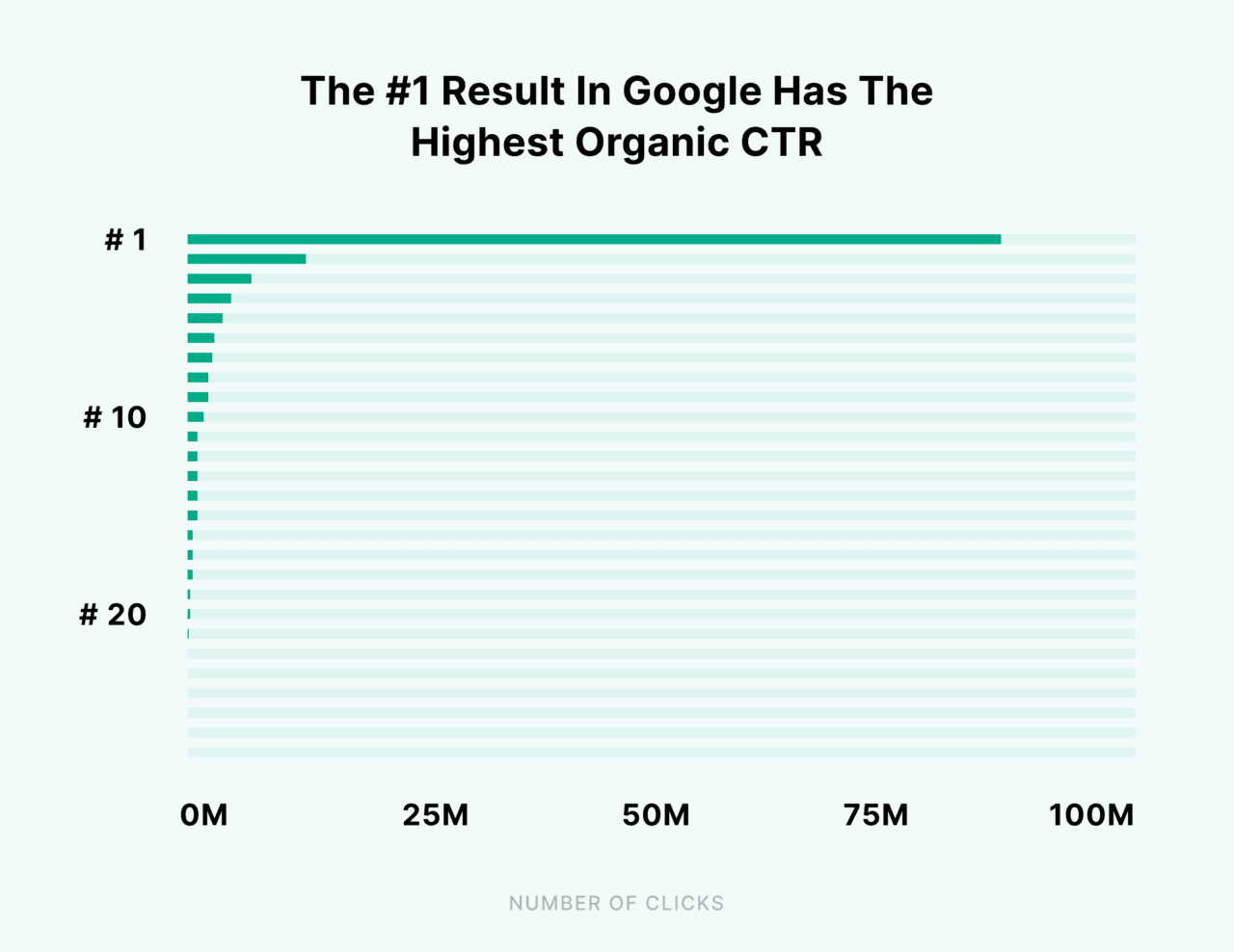
A 2025 study by Backlinko found that the first organic result attracts roughly 27.6% of clicks and receives dramatically more attention than lower listings on page one.
That gap matters.
But rankings alone do not explain everything.
You have probably seen pages sitting third or fourth that attract more clicks than pages ranking above them. That happens constantly.
Usually because the listing itself feels stronger.
Clearer title.
Better intent match.
More trust.
Sometimes just less fluff.
In practical terms, CTR work becomes most valuable on pages already sitting somewhere between positions three and ten.
Those pages already have visibility.
They simply are not converting enough of that visibility into clicks yet.
That’s why CTR improvements often feel quicker than broader SEO work. You are improving efficiency rather than waiting for authority signals to build slowly over time.
Benchmarking Against Your Industry
Not every search behaves the same way.
A local emergency search creates completely different behaviour compared to a broad research query.
Someone searching “emergency plumber near me” wants speed and reassurance immediately.
Someone searching “best running shoes” is probably comparing options, reading reviews, and jumping between multiple pages.
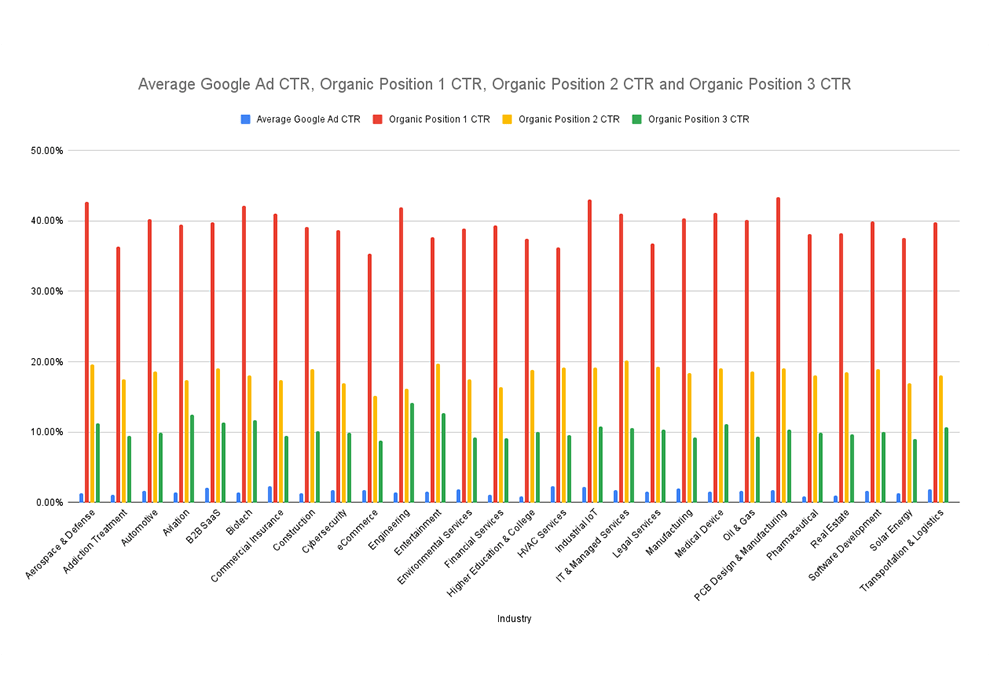
So broad CTR averages are rarely very helpful on their own.
It makes far more sense to compare pages by intent type.
For example:
- branded vs non-branded searches
- local intent vs research intent
- service pages vs blog content
- searches dominated by maps and ads vs cleaner SERPs
That gives you a much clearer understanding of where listings genuinely underperform and where the search layout itself naturally suppresses clicks.
Because sometimes the issue is not the listing at all.
Sometimes Google has simply filled the page with ads, maps, AI overviews, videos, and snippets before users even reach the organic results properly.
10 Practical Ways To Improve Organic CTR Across Your Site
Most CTR improvements come from making decisions easier.
People want reassurance quickly.
They want to know the page is relevant, current, useful, and unlikely to waste their time.
The sites that earn clicks consistently usually remove friction better than everybody else.
Not necessarily because they are smarter.
Just clearer.
Way 1: Build A Mobile Friendly Experience
Most searches now happen on mobile devices, which changes how people interact with websites completely.
Users are distracted more easily. Patience is shorter. Small frustrations feel bigger.
If a page loads awkwardly on mobile, people leave fast.
And honestly, most businesses underestimate how often that happens.
Google also primarily evaluates the mobile version of your site when assessing usability and content quality, so poor mobile experience creates problems beyond conversions.
Spend time reviewing your pages on actual phones.
Not just desktop previews.
Look for things like:
- oversized images
- awkward spacing
- buttons placed too close together
- slow loading sections
- intrusive popups
- layouts pushing useful content too far down
Tiny usability problems add up surprisingly quickly.
People rarely announce why they bounced.
They just leave.
And once users repeatedly have poor experiences with a site, they become less likely to click it again later.
That quiet behavioural shift matters more than many businesses realise.
Way 2: Shape Strong Meta Titles, Descriptions, And Headings
Titles and descriptions are doing a lot of work inside a very small amount of space.
Users should immediately understand:
- what the page covers
- who it helps
- what they are likely to get after clicking
The strongest search listings usually feel obvious rather than clever.
That’s important.
A lot of SEO titles try too hard.
They become bloated with keywords, awkward phrasing, or exaggerated claims because somebody wanted to force optimisation into every corner.
Most of the time, clarity wins.
Google also rewrites titles regularly where it believes another variation matches the search intent more closely. Search Engine Journal reported that more than 60% of titles are adjusted in some way.
That doesn’t mean optimisation stopped mattering.
If anything, it means structure matters even more.
Simple, readable titles give Google clearer signals to work with.
Descriptions then support the click by reinforcing relevance naturally.
And once users land on the page, headings matter immediately.
People scan content fast.
If the page feels messy or disconnected from the promise made in search results, trust drops almost instantly.
Top Tip
“Before rewriting a title, look carefully at the current search results.”
Not just the keywords.
Look at tone.
Look at how competitors frame the topic.
Look at what feels repetitive, vague, or over-optimised.
Often the easiest CTR gains come from sounding clearer and more useful than everybody else around you.
Way 3: Use Click-Winning Title Patterns, Not Just Keywords
A surprising number of titles technically describe the topic while giving users absolutely no reason to click.
High-performing titles usually combine:
- a clear topic
- a practical outcome
- some form of reassurance or proof
For example:
- “Boiler Repair in Leeds | Same-Day Callouts, Fixed Pricing”
- “Google Trends for SEO | Find Seasonal Keywords Before They Peak”
- “10 Ways To Improve Organic CTR | Faster Wins From Search Console”
Nothing complicated there.
Just clarity.
People are usually looking for confidence signals more than creativity.
The important part is staying honest.
If the page cannot support the promise being made, people notice quickly once they land.
That disconnect damages trust fast.
Way 4: Use Structured Data To Earn Richer Results
Structured data helps search engines understand your pages more clearly.
It also improves how listings sometimes appear inside search results.
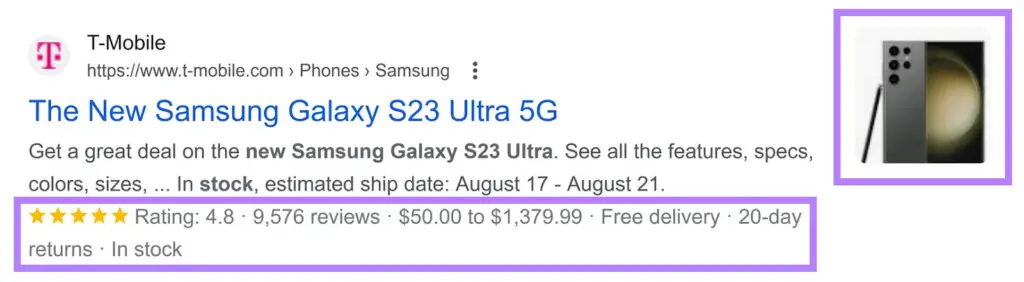
Review stars, breadcrumbs, pricing details, FAQs, opening hours, article information. All of that can help a listing stand out visually.
Not because schema magically improves rankings.
Mostly because it helps users process information faster before deciding where to click.
The type of schema that matters depends heavily on the site itself.
For example:
- local businesses: organisation schema, local business details, opening hours
- service websites: service schema and FAQs where genuinely useful
- ecommerce sites: pricing, availability, ratings, product schema
- blogs and publishers: article schema, breadcrumbs, author information
The main thing is keeping everything accurate.
Trying to force review markup onto pages where it clearly does not belong usually causes problems later.
Google has become stricter about that over time.
If the structured data reflects information users can actually see on the page, you are usually on safer ground.
Way 5: Improve Your Page Speed
Slow websites create hesitation.
Sometimes only for a second or two.
But that second matters.
People expect pages to load almost immediately now, particularly on mobile.
Research from Hobo Web found that 53% of mobile visits are abandoned if a page takes longer than 3 seconds to load. That behaviour extends beyond ecommerce. People expect pages to appear quickly, and a delay creates doubt.
leave if a page takes longer than three seconds to load.
That behaviour spreads across almost every industry now.
People are impatient because they have endless alternatives sitting one click away.
There are plenty of practical ways to improve speed:
- compress oversized images
- remove unnecessary plugins
- simplify bloated layouts
- reduce heavy scripts
- improve hosting performance
- use a CDN where appropriate
Then review speed regularly.
Websites quietly become slower over time.
Extra plugins get added.
Tracking scripts pile up.
Large media files creep in.
Honestly, this is one of those problems businesses often ignore until the site suddenly feels painful to use.
Small maintenance checks usually prevent that.
Way 6: Aim For Featured Snippets
Featured snippets sit right at the top of many search results and take up a huge amount of visual space.
Especially on mobile.
SEOZOOM reported
in 2024 that around a quarter of searches included featured snippets in some form.
Google tends to pull snippets from pages that answer questions clearly and directly.
That’s the key.
Use the search query naturally as a heading, then follow it with a concise answer underneath.
Simple language usually performs better here.
Google wants answers it can display easily.
You can still expand properly underneath.
The short answer helps Google understand the page quickly. The deeper explanation helps users once they click through.
There is one thing worth keeping in mind though.
Some snippet-heavy searches satisfy the user immediately without generating many clicks.
So snippets usually work best on topics where people still need further detail, examples, comparisons, or practical next steps.
Make Freshness Visible Where It Matters
Some searches naturally expect current information.
Pricing pages.
SEO advice.
Comparison guides.
Software recommendations.
Anything that changes regularly.
If your result looks old beside newer competitors, users often skip it instinctively.
Simple ways to reinforce freshness include:
- updating introductions regularly
- refreshing examples and references
- adding visible updated dates where appropriate
- tightening titles around current relevance
You do not need to completely rewrite articles constantly.
Usually a few visible signs of maintenance are enough.
Top Tip
“Most people skim titles incredibly quickly.”
Putting the core benefit or outcome closer to the beginning of the title often improves CTR more than businesses expect.
Particularly on mobile where visible space disappears fast.
Way 7: Use Descriptive URLs
URLs influence trust quietly in the background.
A clean URL reassures users because they immediately understand what the page covers.
Something like:
- yoursite.com/fresh-cakes-london
feels far more trustworthy than:
- yoursite.com/page?id=184
Short, readable URLs usually work best.
Include the topic naturally where appropriate, but avoid turning URLs into keyword stuffing exercises.
If your site already contains older messy URLs, avoid changing everything aggressively.
Poor redirect management creates far bigger problems.
Tidy things gradually instead.
Way 8: Add Social Proof Across Your Pages
People trust evidence.
Reviews, testimonials, accreditations, customer numbers, case studies. All of it helps reduce uncertainty.
That matters because most clicks are ultimately trust decisions.
Users want reassurance that the business behind the listing feels legitimate.
Review stars inside search results can improve visibility noticeably where eligible schema exists.
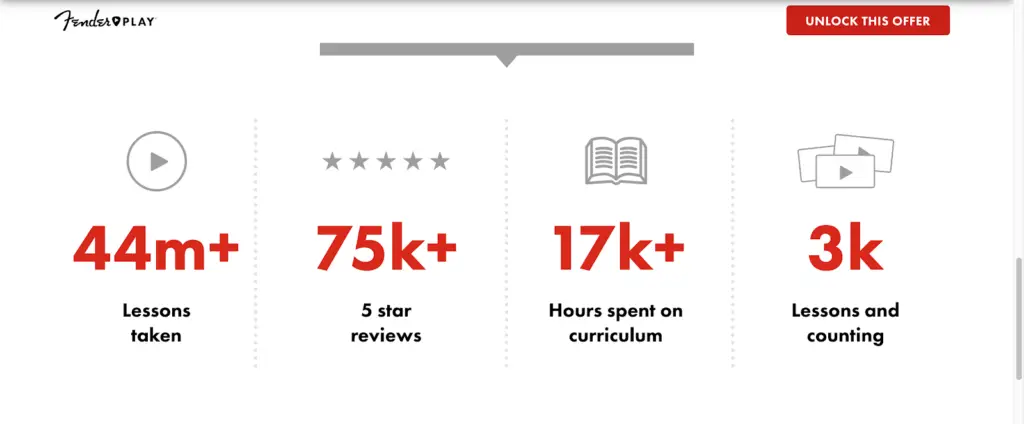
On-page proof matters too.
Things like:
- testimonials
- review snippets
- years of experience
- accreditation logos
- examples of completed work
- customer numbers
The important part is making proof feel believable.
Specific details usually carry more weight than generic praise.
People can sense vague marketing language immediately now.
Way 9: Target Long-Tail Queries That Match Real Intent
Long-tail searches often reveal exactly what somebody needs.
That makes relevance easier to demonstrate.
A broad search like “plumber” could mean almost anything.
A search like “boiler pressure keeps dropping in Leeds” tells you exactly what kind of information the user expects to find.
Pages targeting that kind of intent often attract:
- stronger CTR
- better engagement
- higher conversion rates
- lower competition
Long-tail optimisation also aligns naturally with conversational searching.
People increasingly search using full phrases, questions, and specific situations rather than isolated keywords.
When your content mirrors that language naturally, the listing usually feels more useful immediately.
Way 10: Use Search Console CTR Triage To Find Fast Wins
This is one of the most useful CTR exercises you can do.
Open Search Console and look for pages with:
- high impressions
- positions roughly between 3 and 12
- weaker CTR than expected for that query type
Those pages already have visibility.
Something is simply stopping users from choosing them often enough.
Usually it comes down to:
- vague titles
- weak descriptions
- unclear positioning
- poor intent match
- missing trust signals
Small improvements can move CTR surprisingly quickly.
Things like:
- making the intent clearer earlier in the title
- adding proof or reassurance
- improving the first section of the page
- answering the query faster
- clarifying pricing, locations, or service coverage
This is probably the closest thing SEO has to low-hanging fruit.
You already earned the visibility.
Now you are improving how effectively the listing converts attention into clicks.
Test, Review, And Improve Regularly
CTR optimisation is ongoing work.
Search behaviour changes constantly.
Competitors update their listings.
Google changes layouts repeatedly.
So regular reviews matter.
Search Console is usually the best starting point because it shows:
- impressions
- clicks
- average positions
- query-level CTR data
Look for pages attracting visibility without attracting enough clicks.
That gap often reveals your best opportunities.
Google Analytics then helps explain what happens after the click.
If users bounce immediately, something probably failed to match expectations.
Sometimes the listing overpromised.
Sometimes the page itself just feels weak once people arrive.
You can also test titles and descriptions gradually over time.
Not constantly.
Just methodically.
One adjustment at a time usually produces far clearer insights.
Small improvements across dozens of pages compound surprisingly well over the long term.
Top Tip
“Do not start with pages barely attracting impressions”
Start with pages already visible because momentum already exists there. Even small CTR lifts on those pages can produce meaningful traffic increases relatively quickly.
Frequently Asked Questions About Organic Click Through Rates
How long does it take to improve organic CTR?
You often start seeing changes within a few weeks, although it varies depending on search volume and crawl frequency.
Higher-traffic pages usually react faster because more users interact with the listing consistently.
What tools are best for monitoring CTR?
Google Search Console remains the most reliable source because it measures impressions and clicks directly from Google search results.
Google Analytics helps explain what users do once they arrive on the page.
Tools like Ahrefs and Semrush are useful for broader comparisons, but Search Console should normally remain the main reference point.
Does changing titles too often hurt SEO?
Occasional testing is completely normal.
Constantly rewriting titles every few days usually creates confusion and makes results harder to measure properly.
Steady testing tends to work better.
Why do some pages get impressions but very few clicks?
Usually because the listing does not match user expectations strongly enough.
Sometimes the page ranks for broad searches that only partially align with the content.
Sometimes competitors simply look more convincing.
Search Console query data normally reveals where the mismatch sits.
Can paid ads affect organic CTR?
Yes.
In some industries, paid ads absorb a large share of clicks because they dominate screen space.
Branded PPC campaigns can also reduce organic CTR because users click the paid listing instead.
The visitor still reaches your business, but the click gets attributed differently.
Businesses often notice this shift once branded campaigns scale more aggressively.
How All This Ties Together
Organic click-through rate tells you something very simple.
How often people choose your result once they see it.
That choice usually comes down to trust, clarity, relevance, and expectation match.
Not clever SEO tricks.
The strongest CTR improvements usually come from practical adjustments:
- clearer titles
- stronger snippets
- faster pages
- visible proof
- tighter alignment between search listings and landing pages
None of these changes are dramatic individually.
But together they compound.
Start with Search Console.
Find pages already attracting impressions.
Improve the intent match.
Strengthen the reassurance.
Make the page easier to trust.
Then make sure the landing page actually delivers what the listing promised.
That alignment is where CTR improvements usually become sustainable.
If you want help improving visibility, traffic quality, and organic performance across your site, get in touch to build an SEO strategy tailored around your business goals.