
Most people start SEO because they want more business from Google.
More visibility. More clicks. More enquiries.
That part makes sense.
The problem is that traffic on its own tells you very little. A visit only confirms somebody landed on your site. It doesn’t tell you why they arrived, if the page helped them, or if they moved any closer to contacting you.
That’s where tracking becomes useful.
Once you start paying attention to what happens after the click, your SEO results become far easier to understand. You stop reacting emotionally to rankings bouncing around and start seeing how people actually use your site.
Some pages quietly pull in enquiries.
Some attract traffic but do absolutely nothing.
Others nearly work, but something small gets in the way.
Tracking helps you spot the difference.
Summary
- Traffic alone does not tell you if SEO is working properly
- GA4 and Google Search Console help you understand visibility, engagement, and conversions
- Impressions and engagement often improve before enquiries or sales increase
- Pages with high impressions but low clicks usually need stronger titles or clearer intent matching
- Conversion tracking shows which pages actually support business growth
- Looking at long-term patterns is far more useful than checking rankings daily
- A simple monthly reporting routine is usually enough for most businesses
- You do not need complicated dashboards to understand SEO performance
Why SEO Tracking Makes Things Much Clearer
SEO feels confusing when you have nothing to measure.
That’s usually why people lose confidence early.
They publish content, update pages, maybe adjust some keywords, then sit there refreshing rankings every day wondering if anything is happening.
In reality, SEO progress is often quieter than people expect.
You might see impressions rising before clicks increase.
You may notice certain pages holding visitors longer.
Some search terms start appearing more consistently.
Those small signals matter because they show momentum building underneath the surface.
Without tracking, all of this gets missed.
Everything feels random.
With tracking, you start understanding what’s improving, what’s stuck, and where your attention should go next.
SEO Progress Usually Appears In Stages
One mistake beginners make is expecting quick results from SEO.
Sometimes that happens. Most of the time it doesn’t.
SEO tends to move in layers.
Google starts showing your pages more often.
Then clicks improve.
Then engagement gets stronger.
Then enquiries start appearing more consistently.
When you understand that process, you stop panicking every time results feel slow.
You can see the earlier indicators building first.
That alone makes SEO feel far less frustrating.
Trying To Improve Everything At Once Normally Backfires
A lot of businesses make SEO harder than it needs to be.
They rewrite every page, change all the headings, install five different plugins, then wonder why nothing feels measurable anymore.
Honestly, this is where things often become messy.
If everything changes at once, you never really know what helped.
Tracking gives you direction.
You can identify:
- pages already performing well
- pages attracting visibility but weak clicks
- pages getting traffic but no conversions
- pages that probably need rewriting entirely
That’s a much calmer way to improve a site.
Before You Track Anything, Make Sure The Basics Work Properly
This gets overlooked constantly.
People jump straight into dashboards before checking if the setup is even accurate.
At minimum, you want:
- Google Search Console connected properly
- GA4 installed across the entire site
- conversion tracking configured correctly
- your sitemap submitted
You also need to decide what actually counts as a conversion.
For most businesses, that usually means:
- contact form submissions
- phone clicks
- bookings
- purchases
- quote requests
Without this setup, the reporting becomes unreliable very quickly.
Google Analytics Shows What Visitors Actually Do
Google Analytics focuses on behaviour.
Not rankings.
Not visibility.
Behaviour.
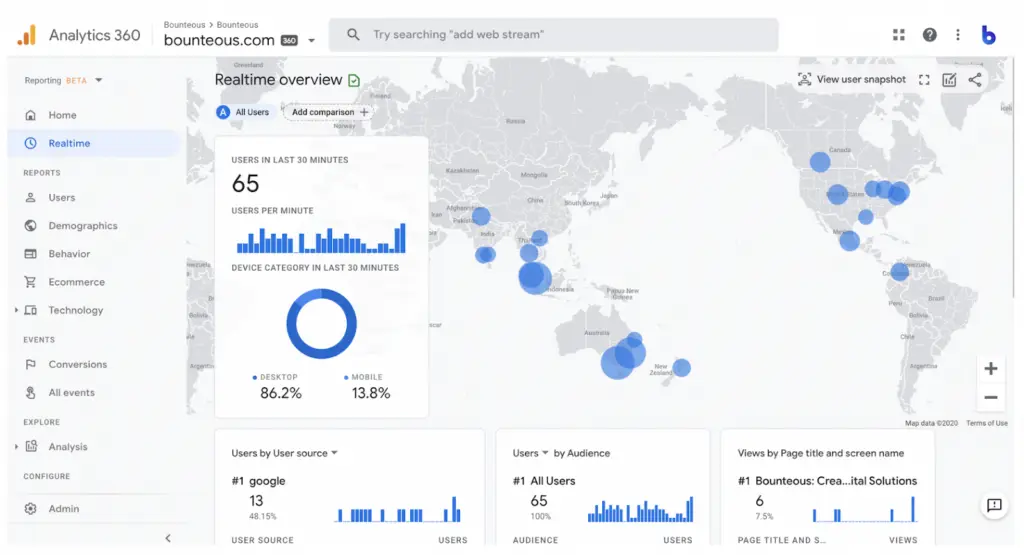
It shows how people move through your site after arriving from Google search.
You do not need to understand every report inside GA4 either. Most businesses only need a small group of useful metrics.
Organic Sessions
Organic sessions show how many visitors arrived through search.
If those numbers rise steadily over time, visibility is usually improving.
More importantly, you can start identifying which pages bring people in.
That part matters because your strongest pages often reveal exactly what your audience responds to.
Sometimes the pages you expect to perform best are not the ones carrying the site.
That surprises people all the time.
Engagement Rate
Engagement rate helps you understand if visitors are actually interacting with the page.
Strong engagement often means:
- the content feels useful
- the page matches search intent
- the structure is easy to follow
- visitors are finding what they expected
Weak engagement usually points towards a disconnect somewhere.
Maybe the introduction feels vague.
Maybe the page answers the wrong question.
Maybe the content simply isn’t very clear.
That’s normally where problems begin.
Average Engagement Time
This metric shows how long visitors actively spend on the page.
Longer engagement times often suggest the content is holding attention naturally.
Shorter visits can mean:
- the page feels thin
- the information is confusing
- visitors did not find what they expected
Although context matters.
If somebody lands on your contact page, calls your business within thirty seconds, then leaves, that visit still did its job.
People forget that.
Conversions
Conversions matter more than almost every other metric.
Because conversions connect SEO to actual business outcomes.
A conversion might be:
- a contact form
- a booking
- a phone call
- a purchase
- a download
Traffic without action only tells half the story.
A page bringing 200 visitors and five enquiries is usually more valuable than one bringing 2,000 visitors who leave immediately.
Google Search Console Explains How Google Sees Your Site
Google Analytics focuses on what visitors do.
Google Search Console focuses on what happens before they arrive.
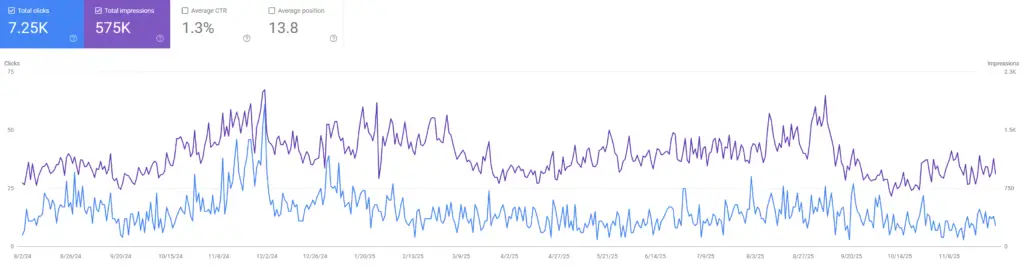
It shows:
- which search terms trigger your pages
- how often your pages appear
- how many people click through
- roughly where pages rank
Together, GA4 and Search Console give you a much more complete picture.
A Simple Search Console Routine That Works
You really do not need complicated reporting systems.
A simple monthly review is enough for most websites.
Start by:
- checking the last 28 days
- finding pages with high impressions but weak click-through rates
- reviewing the title and opening paragraph
- improving how clearly the page matches search intent
- checking again a few weeks later
This is often one of the fastest SEO wins available.
Most sites already have pages Google wants to show.
The issue is usually that the page does not feel compelling enough when people see it in search results.
Impressions Often Move Before Clicks
Impressions show how often your pages appear inside search results.
Even if nobody clicks yet, impressions still matter.
They usually signal that Google is beginning to trust the page more.
That’s why impressions are often one of the earliest signs of SEO progress.
You may not see enquiries immediately, but visibility is starting to build.
Clicks Tell You If Searchers Care
Clicks are more useful than rankings in many situations.
Because clicks reflect human decisions.
If impressions increase but clicks stay flat, something is probably missing.
Usually:
- the title feels weak
- the meta description lacks clarity
- the page does not match search intent properly
- competing results simply look stronger
Sometimes fairly small wording changes improve click-through rates noticeably.
Average Position Needs Context
People obsess over rankings far too much.
Search positions change constantly depending on:
- device type
- location
- search history
- personalisation
- Google testing
That’s why average position should never be viewed in isolation.
It is far more useful alongside:
- impressions
- clicks
- engagement
- conversions
Those metrics tell a fuller story.
Search Queries Quietly Become One Of Your Best SEO Resources
Search query data is incredibly useful once you start paying attention to it.
You can see the exact language people use before landing on your site.
Not the language marketers think they use.
The language they actually type.
That helps you understand:
- what people care about
- how they describe problems
- what questions keep appearing
- which topics deserve more content
- where buying intent exists
A lot of content ideas come directly from query data.
Because real search behaviour usually reveals far more than brainstorming sessions do.
This guide from Google offers a simple overview of how Search Console works.
Most Businesses Track Too Many Metrics
This is another common problem.
People open GA4 for the first time and immediately feel buried in data.
You genuinely do not need most of it.
For the majority of businesses, these metrics are enough:
- organic traffic
- impressions
- clicks
- engagement
- conversions
- top landing pages
- search queries
That already gives you a strong understanding of SEO performance.
Anything beyond that should support decision-making, not create more confusion.
Your Best Pages Usually Leave Clues Behind
Your strongest pages often reveal patterns worth repeating.
Look closely at them.
What makes them easy to read?
How are the headings structured?
What questions do they answer clearly?
Why do visitors stay longer?
A lot of SEO improvement comes from understanding why certain pages quietly outperform others.
Not every answer comes from a keyword tool.
Bounce Rate Does Not Always Mean Failure
Bounce rate gets misunderstood constantly.
A high bounce rate is not automatically bad.
If somebody lands on your site, finds the answer immediately, then contacts you or leaves satisfied, the page still succeeded.
That’s why engagement and conversions normally matter more.
Context always matters with analytics.
Without context, numbers become misleading very quickly.
Stop Watching Daily Fluctuations
SEO data naturally moves around.
Traffic dips.
Rankings bounce.
Google updates things.
Search behaviour changes.
Checking reports obsessively every day usually creates stress without giving you anything useful.
Patterns matter far more than isolated numbers.
Look for:
- gradual traffic growth
- improving impressions
- stronger engagement
- pages consistently attracting clicks
- conversion trends over time
Those patterns tell you far more about SEO performance.
Top Tip
“Choose three important pages every month and track those properly.”
Usually your homepage, a key service page, and one blog post is enough. You’ll learn far more from that than trying to monitor every single URL on the site.
Some SEO Metrics Move Faster Than Others
SEO rarely improves all at once.
Some metrics respond fairly early:
- impressions
- keyword visibility
- engagement
- click-through rates
Others naturally take longer:
- enquiries
- bookings
- sales
- branded searches
If visibility and engagement are climbing, you are normally building the right foundation.
Then the focus shifts towards improving conversion performance.
Goal Tracking Does Not Need To Be Complicated
A lot of businesses overcomplicate conversion tracking.
You only need a handful of meaningful actions.
Usually:
- form submissions
- phone clicks
- bookings
- purchases
- downloads
- important CTA clicks
Start small.
Expand later if needed.
Trying to track absolutely everything from day one normally creates more confusion than value.
Why Conversion Tracking Changes How You View SEO
Once conversions are tracked properly, your perspective changes.
Traffic becomes less important on its own.
You start asking better questions.
Which pages actually generate leads?
Which pages attract traffic but fail commercially?
Which service pages quietly outperform the rest?
That’s when SEO becomes much more practical.
Top Tip
“Do not rely too heavily on rankings alone.”
Rankings change constantly depending on location, device, and personalisation. Focus more on clicks, engagement, and conversions.Rankings change constantly depending on location, device, and personalisation. Focus more on clicks, engagement, and conversions.
Free Data Studio Template
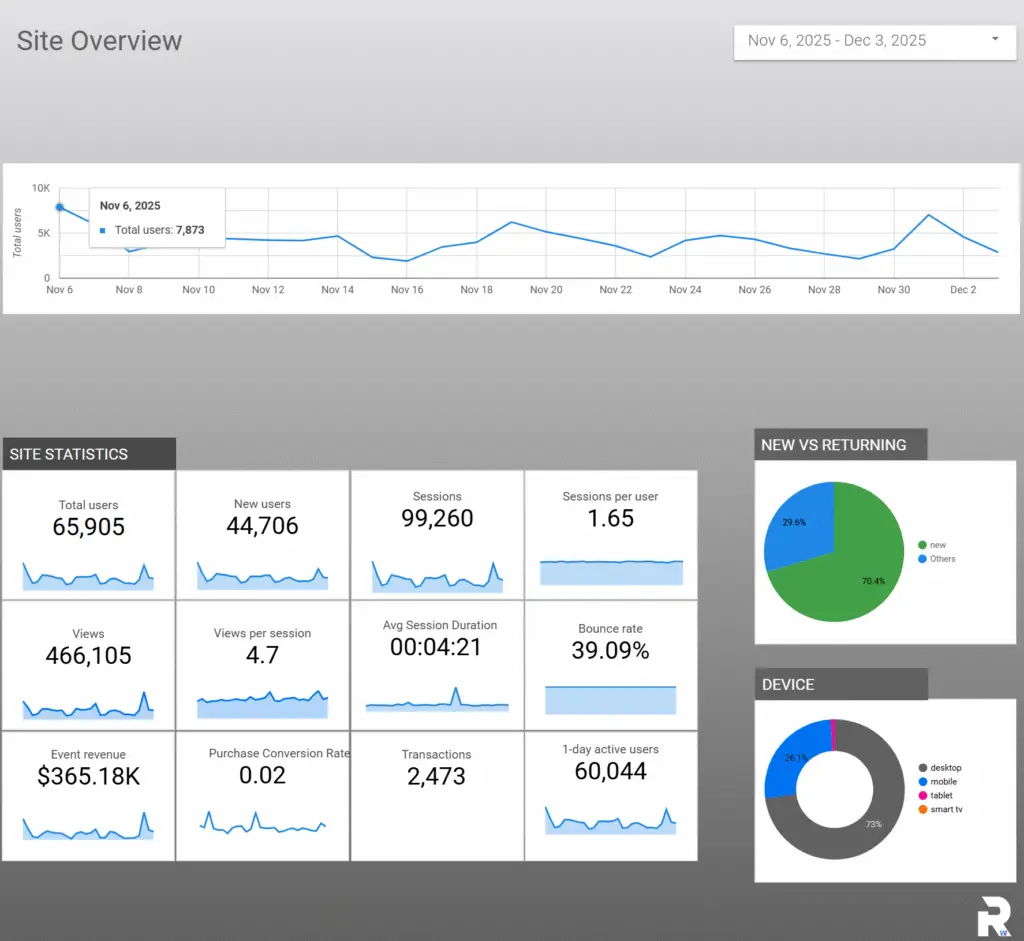
To make this easier, I have created a Looker template (Since April 2026, Google has reverted the name (Looker) back to Google Data Studio.) that lays everything out in a clear, friendly format.
Frequently Asked Questions About SEO Tracking
What should beginners track first?
Start with organic traffic, engagement, top landing pages, and conversions. That gives you enough information to understand both visibility and visitor behaviour without getting overwhelmed.
How long does SEO tracking take to show results?
You’ll often notice early movement within a few weeks, especially impressions and engagement changes. More meaningful business results usually take longer.
What is the easiest way to understand SEO data?
Keep the reporting small at first. Focus on patterns instead of obsessing over individual numbers.
Why do rankings change constantly?
Search results change depending on device type, location, personalisation, and user behaviour. Rankings naturally fluctuate.
How do you know if content needs improving?
Low engagement, weak clicks, and short visits often point towards content problems. Clearer introductions, better structure, and stronger intent matching usually help.
How All This Ties Together
Tracking your SEO properly removes a lot of unnecessary guesswork.
You stop relying on assumptions and start understanding what is genuinely helping the site grow.
You do not need endless dashboards or complicated reports either.
A simple setup using GA4 and Google Search Console is enough for most businesses to make far better SEO decisions.
Once you begin tracking visibility, engagement, and conversions consistently, SEO becomes easier to manage because you can finally see what is actually happening.
If you want a reporting setup that connects SEO work properly to enquiries and sales, get in touch and I’ll help you build something simple that reflects real business performance rather than vanity metrics.