The Costa Coffee test for smarter SEO
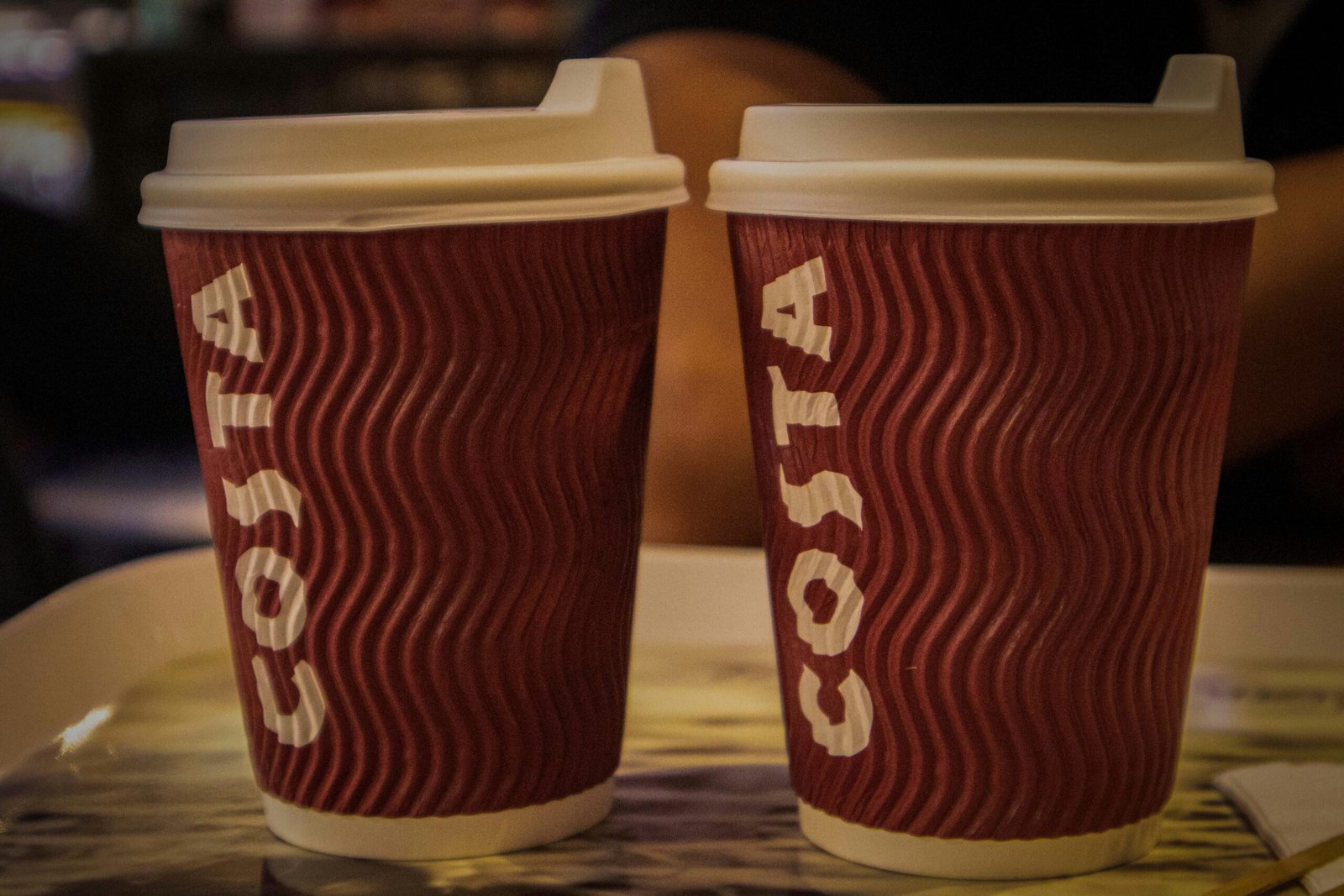
Walk into Costa Coffee and say, “I want a coffee.”
You will not get a drink straight away. You will get questions because that request is too wide. Costa sells coffee in loads of forms, and each one suits a different need. That’s why the menu has choices on drink type, size, temperature, and milk. A single word can cover a lot of valid outcomes.
Search queries work the same way. People don’t type keywords for fun. They type them because they want something to happen next.
Search Intent Content Structure is how you bring that same clarity into your content plan. Instead of creating a new page for every small variation, you group queries by the job the person is trying to get done. When the job stays the same, you build sections. When the job changes, you build a new page. Done well, this leads to fewer pages, stronger coverage, and cleaner internal links.
Summary
This guide shows how to structure content around what someone is trying to do, not the exact wording they use. Using “Costa Coffee” as an example, it explains why broad searches can hide different goals, like finding a nearby shop, checking opening times, browsing the menu, or looking up allergens. If you treat all of that as one topic, you often end up with a page that feels vague and does not satisfy anyone quickly.
You’ll learn how to group keyword variations into a single page when the job stays the same, using clear sections that answer related questions without drifting off topic. You’ll also learn when a new URL is needed because the job changes, so the page type and content should change too. The aim is to avoid thin pages that compete with each other, split relevance, and leave search engines unsure which page to rank.
Search Intent Explained
Search intent is the outcome someone wants after they type a query. It’s the reason behind the search, and it decides what a good answer looks like.
It is not the exact wording. It is not the longest keyword. It is the job the person is trying to get done. Two people can use different phrases and still want the same result. One person can use a short phrase and mean a few different things.
When you plan content around the job, you usually create fewer pages, but each page does more. The content answers the main need, then handles the follow-up questions that naturally come next. That makes the page feel complete, and it keeps your site cleaner.
That’s what search intent content structure is. One page per outcome, not one page per tiny variation. If the goal stays the same, keep it together and use clear sections. If the goal changes, split it into a separate page and make that difference obvious in the title and headings.
The four search intent types
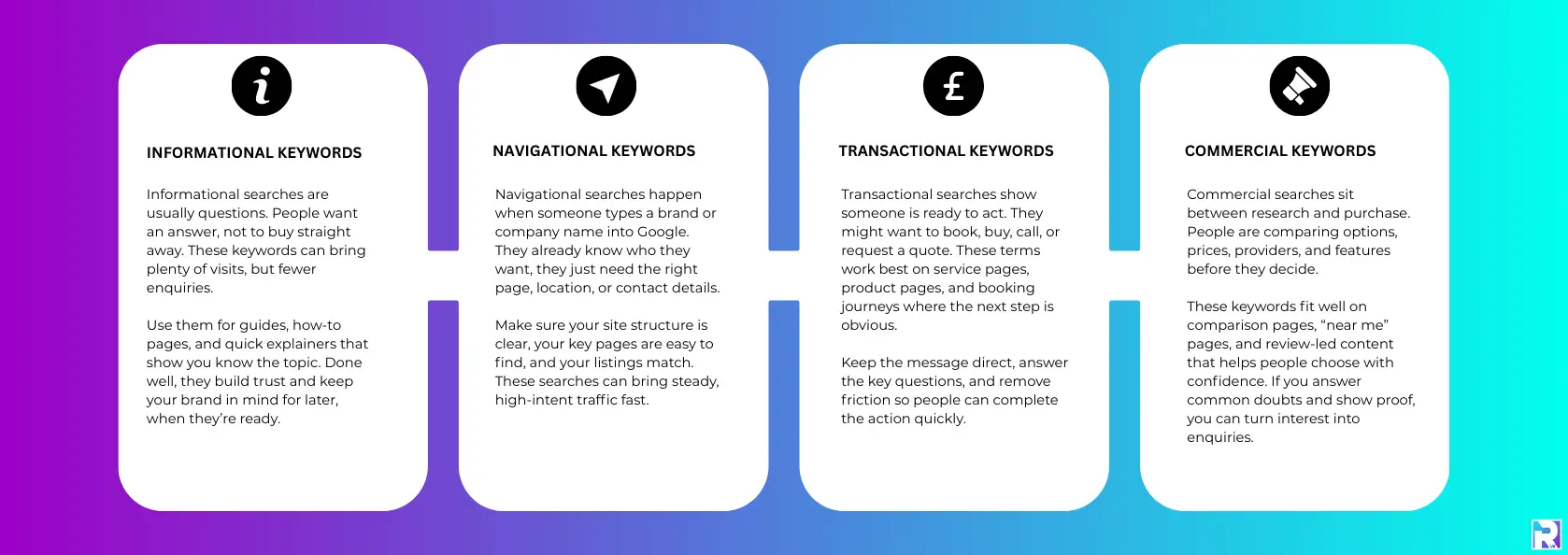
Most SEO frameworks group intent into four types. These labels help you avoid writing the wrong kind of page for the query.
Informational intent
The searcher wants to learn something, solve a problem, or understand a topic. They expect a clear explanation, a helpful structure, and enough context to act on the answer.
Navigational intent
The searcher is trying to reach a specific website or page. They might type a brand name plus “login,” “menu,” “prices,” or “contact” because they want the quickest route.
Commercial intent
The searcher is close to making a choice but needs reassurance. They’re comparing options, reading reviews, checking features, or looking for the best fit.
Transactional intent
The searcher is ready to act. They want to buy, book, order, or sign up, and they want a page that helps them do that with as few steps as possible.
Query breadth decides structure more than keyword length
Breadth is about how many valid outcomes sit behind a query. A one-word search can still be broad (“books”). A longer search can still be broad too, if it bundles more than one need.
“Coffee” is broad, like that Costa moment. It could mean drink types, beans, caffeine, nutrition, brewing at home, or brand information. Those are not small sub-questions of the same task. They are different goals. If you try to cover all of them on one page, the page usually becomes vague, and readers have to work too hard to find what they need.
A narrower search like “Costa flat white calories” has a tighter goal. The person wants one answer, plus perhaps a little context, like how size or milk choice changes it. That’s easier to satisfy on one focused page because the outcome is already clear.
This is why breadth matters more than word count. The real question is, how many reasonable interpretations exist? If the query could mean several different things without stretching, it’s broad, and your structure should reflect that.
Why keyword variations do not always need new pages
SEO tools (like AlsoAsked and SEMRUSH) can generate hundreds of variations and questions. That’s useful for understanding how people phrase the same need. It’s also a common reason sites publish too many near-duplicate pages.
When you create one URL per slight wording change, you often repeat yourself. The pages begin to compete (cannibalise) because they’re trying to do the same job. Rankings can become unstable because Google has to choose between similar answers. On top of that, your internal links get messy because you’re trying to connect pages that should never have been separate.
It also affects the reader. People land on a page that feels close but not quite right. They scan, don’t see a clear match, and leave. Even good writing struggles when the page is built around wording rather than outcome.
A better approach is to treat variations as language, not structure. You include common phrasing naturally in the copy and headings, but you don’t build a new page unless the goal changes.
New URL for a new outcome. If it’s the same outcome, improve the sections and make the page stronger.
Overlap is fine when each page has a clear home
Overlap across pages is normal. People learn in layers. They start broad, then narrow down, then circle back when they hit a new question. Your content should support that.
What matters is making it obvious where the full answer lives. One page should be the home for each outcome. That page carries the full explanation, the detail, and the key supporting sections. Other pages can mention the topic briefly where it fits, then link to the home page for the full answer.
This keeps your site tidy without making it rigid. It also reduces the risk of two pages chasing the same search intent. You can still reference related points across the site, but each point has one main place where you go deep.
What to do when the results page looks mixed
Sometimes you check the search results and see a blend of page types. Guides, product pages, videos, local results. That usually means the query has more than one likely goal behind it. It’s the search version of asking for “a coffee” without saying what kind.
In that situation, there are two sensible routes.
One option is to commit to one clear intent and write the best page of that type. If you’re writing an informational page, the title, intro, and headings should make that clear. You don’t try to squeeze in every other intent on the same URL. You do one job well.
The other option is to build a hub page. The hub gives a short overview, then points to focused pages that each own a specific outcome. This works well when the topic is genuinely broad and you want coverage without clutter.
What tends to fail is a single page that tries to cover every meaning. It becomes long, vague, and tiring to use. Readers can’t quickly see that you understand what they came for, and the page ends up weaker than more focused results.
Frequently Asked Questions Around Search Intent Content Structure
Quick answers to the most common questions about planning pages around search intent.
How do I know if two keyword variations belong on one page?
If the goal is the same, keep one page and cover the variations through sections and natural wording. If the goal changes, split into separate pages.
What’s a fast way to sense mixed intent?
Look at the top results. If the page types and angles vary a lot, the query likely contains more than one goal.
Can one page rank for lots of variations?
Yes, when those variations share the same outcome and your sections cover the main decision points and common problems.
What causes content cannibalisation most often?
It usually happens when two pages try to do the same job. The clean fix is to redefine the job of each page, then merge or refocus so one URL is the clear home.
How can I use People Also Ask data without writing a giant FAQ?
Use it to find themes, then write proper sections that solve the theme in full, without copying every question as a heading.
The Bottom Line
If you keep the Costa Coffee test in mind, planning gets simpler. A broad search often hides more than one outcome, so you usually need more than one page, each built for a specific job, joined up with clear internal links. A clear search normally points to one outcome, so one strong page with tidy sections will often do the work better than several weaker pages.
Search intent content structure is not about chasing every wording change. It is about matching the page to the job the reader is trying to get done, then making that job quick and easy to finish.