
Most small business sites do not need a full rebuild to see better results. Often, the fastest progress comes from fixing what is already close to working. Pages that get impressions but few clicks. Blog posts that used to rank but slipped. Service pages that are helpful but hard to crawl.
This article is about quick SEO wins. Not tricks, not shortcuts, and not a list of tools. It is a set of practical fixes you can do in a week or two, then measure. Some changes can improve traffic within days, others take a few weeks, but all of them give you stronger foundations.
Summary
Quick SEO wins in 2026 are mostly about clarity and friction. Make your titles earn the click. Link your pages so both users and search engines can move around with ease. Refresh content that already has some visibility. Keep your site fast and responsive, especially on mobile. Use structured data where it matches the page. Finally, avoid splitting one topic across too many similar pages; it weakens the result.
A simple rhythm works well. Each month, improve one page for clicks, refresh one older page, add internal links, then run a quick technical check in Search Console. Small steps, done consistently, tend to compound.
Quick SEO Wins For 2026
Pick three wins, complete them properly, then track the outcome in Google Search Console and Analytics. If you try all ten at once, it becomes hard to tell what caused the lift.
1) Improve title tags so more people click
If a page ranks but does not get clicks, you are missing easy traffic. This is common on older content and service pages where the title is bland or too similar to competing results. Your title tag is the first promise you make to a searcher. Make it clear what they will get.
In 2026, titles that work well tend to be specific and plain. Put the main phrase early, then add a simple reason to click. That reason can be a number, a time cue, a clear outcome, or a UK angle.
A cleaner approach usually beats hype. For example, “Quick SEO wins for small business sites” tells people what the page is. “9 quick SEO wins you can do this week” adds urgency without getting silly.
What to do today: In Search Console, find pages with high impressions and low click-through rates. Rewrite the title, keep it readable, and avoid repeating the same phrasing across lots of pages. Then compare the last 28 days to the next 28 days.
2) Strengthen internal links with intent
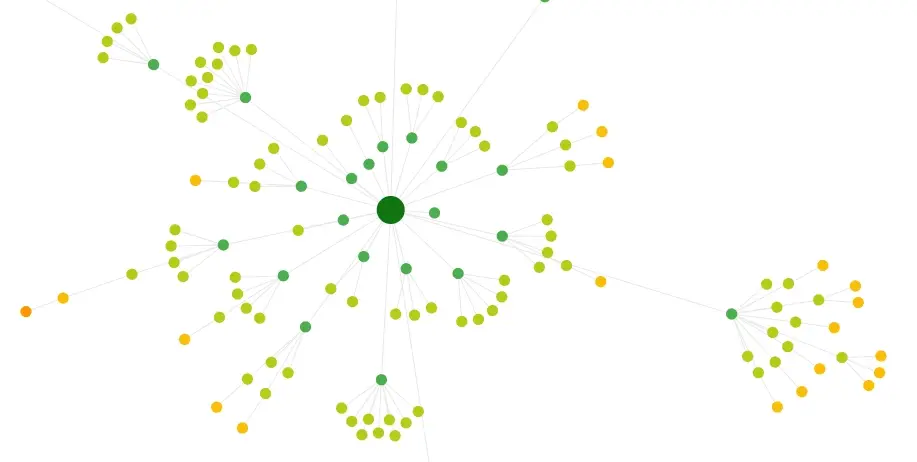
Internal links help search engines find pages, understand topic relationships, and pass authority around your site. They also help users move from one helpful page to the next, which can reduce pogo-sticking back to search.
Start with your pages that already perform. Older blog posts, guides, and service pages often have the strongest signals. Add a few links from those pages to newer, lower-traffic pages that deserve attention. This is one of the quickest ways to give a page a push without waiting for external links.
Anchor text matters. “Click here” tells no one anything. A link that says “technical SEO checks for small sites” gives search engines and readers a clear idea of what is coming next. Keep it natural. You are writing for humans first.
Top Tip
“Create one strong page around “Quick SEO wins.” Then link out to deeper pages, like “title tag writing,” “image optimisation”, and “indexing checks.” Each supporting page should link back to the hub. It keeps your content tidy and makes crawling simpler.”
3) Add structured data that fits your content
Structured data helps search engines read your pages more accurately. In 2026, the win is not chasing every rich result type. The win is using the markup that matches your page and is easy to keep accurate.
For many small business sites, the most useful types are Organisation, LocalBusiness, Breadcrumb, Article, and Product if you sell online. These can support clearer understanding and, sometimes, better presentation of results. The main rule is simple. Only mark up what is visible on the page.
FAQ rich results are less common than they used to be. That does not make FAQs useless. FAQs still help users, reduce confusion, and can support long-tail queries. Treat FAQ markup as a bonus, not the reason to write the section.
What to do today: Use JSON-LD and validate your markup. Keep it clean, keep it truthful, and remove old markup that no longer matches the page.
4) Refresh older content that slipped
Content can lose visibility without you noticing. A post that ranked on page one can drift to page two. The page still exists, but the examples are dated, the structure no longer matches how people search, or competitors have written clearer answers.
A refresh is often quicker than writing new content. Focus first on pages that still get impressions. These are already in the mix; they just need a nudge. Update the stats, tighten the introduction, and bring the key answer closer to the top.
Also review headings. In 2026, a lot of searches are longer (especially within LLM searches) and more specific. People ask full questions. Use that language in your H2s and H3s, then answer clearly underneath.
Start today: Pick three posts, update the first 200 words, add one new section that answers a common follow-up question, and improve internal links.
5) Fix images for speed and search
Images are one of the fastest areas to improve performance. Large files slow pages down, especially on mobile. That can affect user behaviour, which can affect results over time.
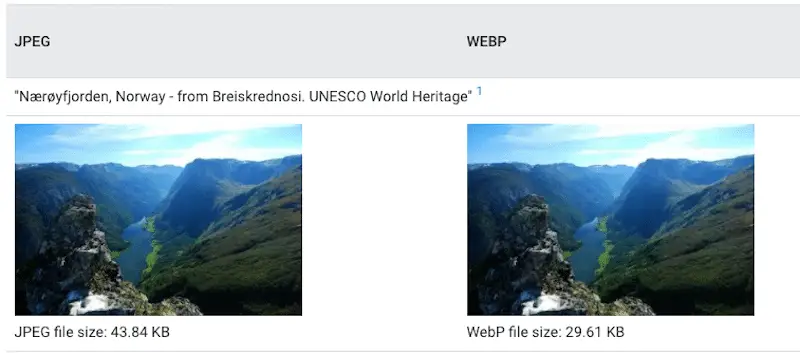
Compress images before you upload them. Use modern formats like WebP where you can. Also set image dimensions so the page layout does not jump as images load. These small details can make a site feel far smoother.
Alt text matters too, but it needs to be sensible. Describe what is in the image in plain language. If it is a product photo, include the product name. If it is a team photo, say that. Do not stuff keywords; it reads badly and rarely helps.
6) Improve speed with a focus on interaction
Speed is not just load time. In 2026, you also need pages to respond quickly when someone taps a button, opens a menu, or fills in a form. A site can “load” fast but still feel sluggish.
Common causes include heavy scripts, too many tracking tags, bulky plugins, and unoptimised themes. Often the fastest fix is removing things rather than adding more.
Run PageSpeed Insights and look for the biggest issues on mobile. Then fix the top one or two. If you try to fix ten things at once, you can spend days for little gain.
Top Tip
“Chat widgets, heatmaps, pop-ups, and multiple tracking tags can slow interaction. Remove what you do not use, and delay what can load later.”
7) Target long-tail queries that match real intent
Broad keywords are competitive and vague. Long-tail queries are specific, and they often signal a clear next step. Someone searching “seo” might be browsing. Someone searching “quick SEO wins for a WordPress site” is closer to taking action.
Long-tail does not mean low value. It often brings better leads because the search is precise. It also helps you build topical coverage, which supports wider rankings over time.
Write pages that answer the full problem. Use clear sections, real examples, and a short checklist at the end. Make it easy for someone to do the thing you are describing.
8) Format content so it is easy to lift into snippets
You cannot demand a featured snippet, but you can make your content easier to quote. Snippets tend to come from pages that answer quickly and then explain.
Use question-style headings and give a short answer straight after. Then expand with detail. Lists can help when they genuinely fit. Tables can help for comparisons. Keep the first answer tight, then go deeper.
Top Tip
“After the introduction, add a two- or three-sentence summary that explains what the reader will do and what result they can expect. It helps skimmers and supports clearer extraction.”
9) Check indexing and crawl issues every month
Technical issues can quietly block progress. A few broken links, a mis-set canonical tag, or a page stuck in “discovered, not indexed” can hold back your best content.
Search Console is your first stop. Review indexing reports, look for spikes in errors, and check that important pages are included. Also scan for redirect chains and broken internal links, especially after a site update.
If traffic drops suddenly, do not panic. Check crawl and indexing first. It is often something small and fixable.
10) Remove or merge pages that compete with each other
A common hidden problem is keyword cannibalisation. You publish a new blog post, then later publish another on a similar topic. Now both pages compete for the same searches, and neither performs as well as it could.
This shows up as rankings that wobble. One URL appears for a query, then the other. It can also show as lots of pages sitting around positions 10 to 30 without breaking through.
The fix is often simple. Decide which page should be the main one. Then either merge the useful parts of the weaker page into the stronger one, or tighten the weaker page so it targets a different angle. If you merge, redirect the old URL to the updated one.
This is a quick win because it focuses your signals. You end up with one stronger page, clearer internal links, and less confusion for search engines.
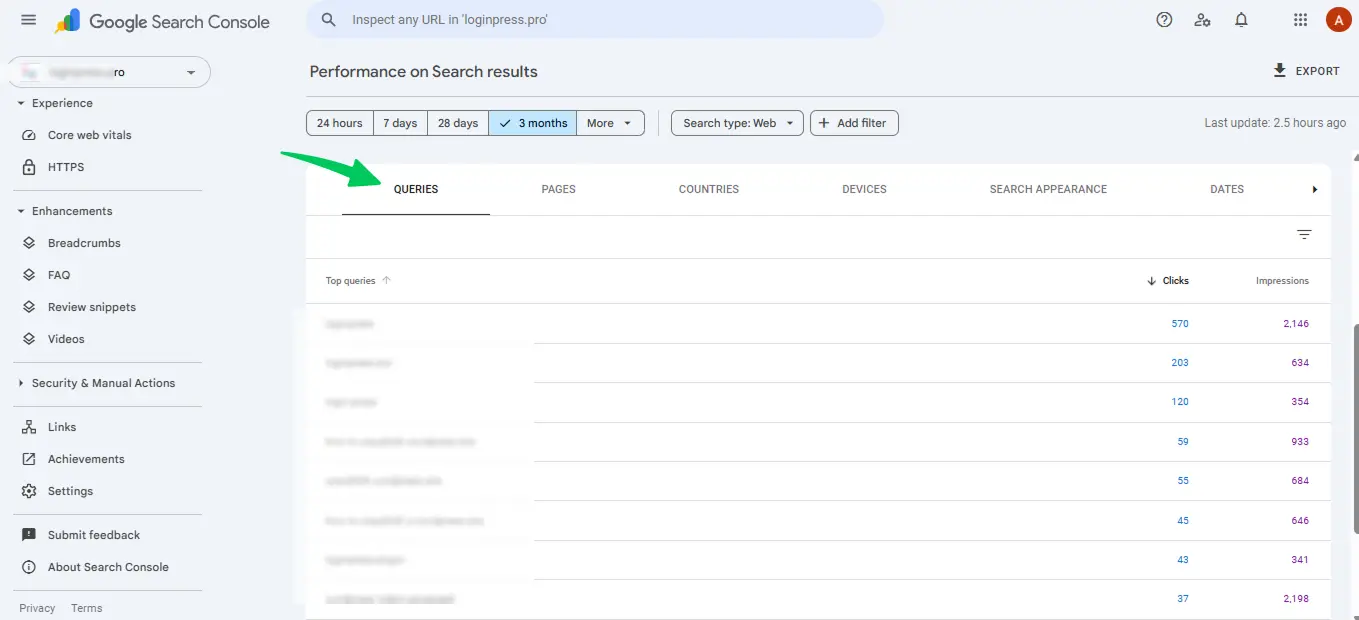
What you can do today: In Search Console, look at queries where two pages show impressions for the same term. Pick a primary page, update it, then redirect or refocus the other.
The Bottom Line
Quick SEO wins in 2026 come from fixing what is already close to working. Improve titles on pages with impressions but weak clicks. Add internal links from pages that already perform. Refresh older content that has slipped, and keep images and scripts light so the site feels fast on mobile.
Do a small set of changes, then measure properly. A steady monthly routine, one CTR fix, one content refresh, one internal linking pass, and one Search Console check usually beat a big one-off push. Over time, those small improvements add up to stronger visibility and a site that is easier to use.