Once a business has the basics of local SEO sorted, the next stage becomes a lot more nuanced.
At that point, simply keeping listings updated or posting the occasional location page is not usually enough to move the needle anymore. The gap between businesses starts appearing in the smaller details. Clearer signals. Better local relevance. Stronger trust.
That’s the part many businesses underestimate.
Modern approaches to local search has become crowded. Most businesses already have a Google Business Profile. Most have some level of optimisation in place. So visibility now comes down to who looks the most useful, trustworthy, and genuinely connected to the local area they serve.
And honestly, local SEO works better when it is treated as an ongoing process rather than a fixed checklist.
Small improvements stack.
One update makes your business easier for Google to understand. Another improves trust. Another helps customers feel more confident before they even click. Over time, those signals build on each other.
The wider process behind local optimisation is covered in my local seo blogs for beginners, where the core foundations are explained in a practical order.
Summary: Modern Approaches to Local Search
Once the basics are in place, local SEO becomes less about setup and more about refinement.
The businesses that tend to pull ahead are usually the ones doing a few things consistently well:
- Giving Google clearer business information through structured data
- Writing content that sounds natural and matches real customer searches
- Building genuine local authority through community relevance and local mentions
- Keeping Google Business Profile Q&A accurate and actively managed
- Tracking real engagement signals like calls, map views, and direction requests
The bigger shift is this.
Google increasingly rewards businesses that feel established, trustworthy, and locally present. Not businesses trying to look overly optimised.
That usually comes from steady improvements over time rather than one big SEO push.
Search engines do not interpret websites the way people do.
They rely on signals, context, and structured information to understand what a business actually offers.
That’s where schema markup comes in.
Local structured data gives search engines direct clarity about your business instead of forcing them to piece things together themselves. It labels important information clearly, things like your business name, opening hours, services, reviews, and location.
For local SEO, that clarity matters more than people often realise.
When Google feels confident about your information, it becomes easier for enhanced search features to appear alongside your listing. Star ratings. Opening hours. Service details. Those extra elements help your business stand out before somebody even visits the website.
And realistically, most people make decisions quickly in search results.
If one listing immediately answers more questions, people are naturally more likely to click it.
A strong local schema setup should normally include:
- Business name, address, and phone number matching your Google Business Profile exactly
- Opening hours and contact details
- Customer reviews where relevant
- Social profile links
- Business categories and service information
Google recommends using JSON-LD formatting, which most developers can add fairly quickly.
This part often gets skipped because it sits quietly in the background.
Customers never really notice it.
Search engines absolutely do.
And in local SEO, reducing uncertainty is usually a good thing.
An example of local structured markup can be found in Chapter 3: On-Page SEO for Local Businesses
Optimising Local Queries for Voice Search
Voice search has changed the way local searches are phrased.
People do not usually speak in short keyword fragments. They ask full questions.
Instead of typing “electrician Leeds”, someone might ask, “Who’s a reliable electrician near me?” That difference matters because search engines are becoming much better at understanding natural language and search intent.
So the goal is not really about chasing voice technology itself. It is about writing content that sounds more natural and more useful.
That usually means:
- Writing in full conversational sentences
- Adding FAQs based on real customer questions
- Targeting longer, more specific searches with clear intent
- Making sure the mobile experience feels quick and friction-free
Most voice searches happen on mobile devices, often when somebody needs a fast answer or is close to making a decision. A slow website or awkward mobile layout creates friction immediately.
And that’s usually where businesses lose the enquiry.
Write More Naturally
Use phrasing that reflects how customers actually speak.
If people regularly ask things like, “What’s the best way to fix a leaking tap?” then that wording should appear somewhere naturally within your content.
A lot of older SEO writing still sounds engineered around keywords rather than real conversations. Search engines have moved well beyond that.
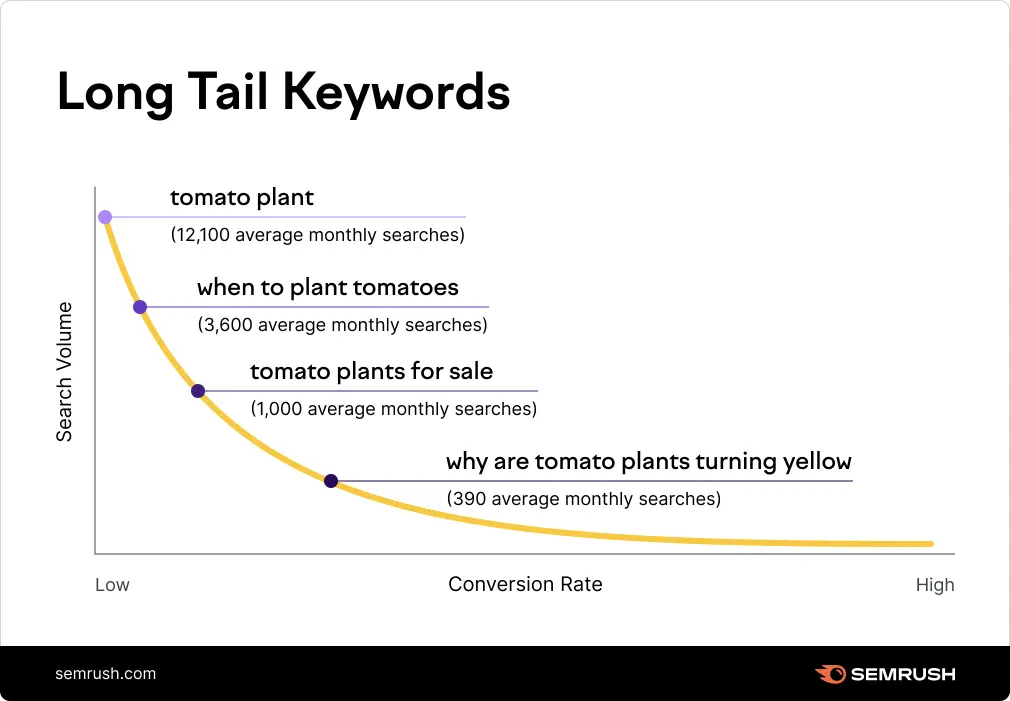
Focus on Long-Tail Searches
Broader keywords may bring more traffic, but specific searches often bring stronger intent.
Someone searching “book a haircut near York station” already knows what they want. They are much closer to taking action.
That is why long-tail local searches often convert better.
Make Mobile the Priority
Most voice-driven searches happen on mobile.
Your website should load quickly, work properly on smaller screens, and make it easy for visitors to call, book, or find directions without effort.
Google has spent years prioritising mobile usability. Businesses still treating mobile optimisation as optional are already behind.
Voice optimisation is really about sounding human.
And honestly, the businesses that explain things clearly usually perform better anyway.
Build Stronger Local Authority
Advanced local SEO is not only about technical improvements.
It is also about visibility within your actual community.
Search engines increasingly favour businesses that feel genuinely connected to their local area rather than businesses relying on generic location pages and templated service content.
That authority builds gradually.
Mentions from local publications, community websites, or trusted local organisations all help reinforce credibility.
So does content that reflects real local context.
Pages referencing neighbourhoods, landmarks, nearby areas, or community events tend to feel more authentic than generic service copy repeated across multiple locations.
People notice the difference. Google probably does too.
Community involvement can also strengthen local relevance naturally.
That might include:
- Sponsoring local events
- Supporting charities
- Collaborating with nearby businesses
- Appearing in local news coverage
- Taking part in community initiatives
None of this works instantly. That is important to understand.
But over time, businesses that consistently appear visible and active within their area often build stronger trust signals than businesses focusing purely on technical optimisation.
Local SEO is increasingly tied to real-world presence.
That shift has become far more noticeable over the last few years.
Managing Google Business Profile Q&A
Most businesses pay attention to reviews.
Far fewer pay attention to the Q&A section inside their Google Business Profile.
That can become a problem because anybody can answer questions publicly.
If the business is not monitoring that section regularly, incorrect information can easily appear on the profile.
And once something gets visibility, people tend to assume it is accurate.
Around one in four Google Business Profiles has received at least one customer question. If those questions gain enough engagement, they become more visible directly within the profile itself.
So this section deserves more attention than many businesses give it.
A few simple habits help:
- Check for new questions regularly
- Respond clearly and professionally
- Correct inaccurate information quickly
- Add common questions proactively yourself
Google allows businesses to create and answer their own questions.
That is actually useful.
If customers repeatedly ask the same things about pricing, booking, availability, or services, adding those answers directly into your profile can save time and improve clarity.
Even though Google reduced some Q&A visibility in 2025, the section still contributes to trust.
And trust matters in local search.
Top Tip
“Google allows businesses to add their own Q&A, which is genuinely useful for local visibility”
If you already have FAQs on your website, many of those questions can be repurposed inside your Google Business Profile.
The visibility of these answers was reduced slightly in 2025, but with the introduction the AI Ask search function, it still helps provide useful information upfront, which can then help to shape the answer shown to the customer.
Measuring the Impact of Advanced Local SEO
Advanced local SEO only matters if the improvements lead to real business outcomes.
That part often gets missed.
It is easy to focus purely on rankings while ignoring the actions that actually generate enquiries.
Tools like Google Search Console and Google Analytics already provide most of the data businesses need.
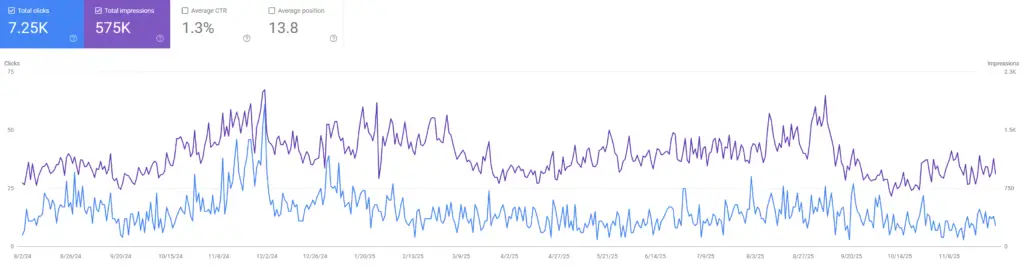
Look for improvements in:
- Local search impressions
- Click-through rates
- “Near me” visibility
- Map views
- Website visits from Google Business Profile
- Calls and direction requests
Those engagement signals often reveal more than rankings alone.
Search visibility tends to shift gradually.
Google usually tests signals over time before making larger adjustments to visibility. That means improvements in local SEO rarely happen overnight.
Consistency still matters.
So does accuracy.
And the businesses that continue refining things steadily are usually the ones building stronger long-term visibility.
How This All Ties Together
Local SEO is no longer just about getting listed and adding a few keywords to a page.
Most businesses are already doing the basics.
The difference now comes from the quality of the signals surrounding the business. How clear the information is. How trustworthy the business appears. How connected it feels to the local area.
Structured data helps search engines understand your business properly. Voice-focused content helps align with the way people naturally search. Stronger community visibility reinforces local trust.
Then there are the smaller details people often ignore.
Managing Google Business Profile Q&A properly. Improving mobile usability. Monitoring real engagement signals rather than obsessing over rankings every week.
None of these things feel particularly dramatic on their own.
But together, they shape perception.
And that is really what advanced local SEO comes down to now.
Not trying to outsmart Google.
Just making it easier for both search engines and customers to trust what they are seeing.
If the foundations are already in place, these are usually the areas worth improving next.