
Good SEO Content is not about publishing endless blog posts and hoping Google notices eventually.
It is about creating pages that properly answer what people are searching for and making the experience easy once they land there. Simple idea. Most websites still miss it.
A lot of businesses publish content regularly but never really stop to ask if the page is genuinely useful. The design might look fine. The keyword may technically be there. Still, nothing happens. No rankings. No traffic. No enquiries.
Usually, that comes down to alignment.
The content does not properly match the search, the intent behind it, or the questions people actually care about. That is where understanding SEO content properly starts making a difference.
If you are creating blog posts, service pages, or product descriptions, the goal stays pretty consistent. Help people find useful information quickly, remove confusion, and make the next step feel obvious without forcing it.
Summary
- SEO content performs best when it matches real search intent and answers genuine questions clearly
- Publishing content just to “keep the blog active” rarely leads to meaningful traffic or conversions
- Strong pages are easy to scan, structured clearly, and useful from the beginning
- Keywords still matter, but natural writing and clarity matter more
- Internal links should help readers naturally move through related topics and services
- Evergreen content often performs better long term than constantly publishing weak new posts
- Updating useful pages regularly is usually more valuable than chasing volume
- Good content builds trust, supports rankings, and helps visitors take the next step naturally
What Is SEO Content?
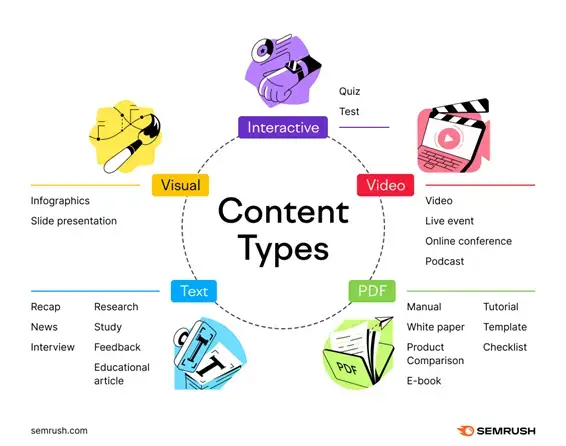
SEO content is simply content designed to help people find answers through search engines.
That includes blog posts, service pages, landing pages, guides, FAQs, and product descriptions. Pretty much any page built around a search topic or question falls into that category.
The difference is purpose.
Good SEO content is written around what people are actually searching for, not just what a business wants to say about itself. That gap matters more than people realise.
When somebody searches Google, they are normally trying to solve something. Maybe they need information. Maybe they are comparing options. Maybe they are close to buying and just need reassurance before making a decision.
Your content needs to meet them where they are.
That means:
- answering the question clearly
- structuring the page properly
- making the information easy to follow
- avoiding unnecessary waffle
Honestly, a lot of SEO content still feels written for algorithms first and humans second. You can usually spot it immediately. Awkward keyword repetition. Over-explained basics. Headings that sound robotic. Paragraphs that say very little despite using a lot of words.
The pages that perform well long term usually feel different. Clearer. More direct. Easier to trust.
People land on the page, understand the point quickly, and keep reading because the content actually helps.
Top Tip
“Search engines might help people discover the page, but visitors decide what happens after that“.
If the content feels awkward, vague, or difficult to follow, they leave. Most businesses underestimate how quickly that happens.
Start With Questions Real Customers Already Ask
This is usually the easiest place to find good content ideas.
What do customers ask repeatedly?
What slows decisions down?
What confuses people before they enquire or buy?
Those questions often become your best SEO topics because they already reflect real search behaviour.
If you run a fitness business, people might search for beginner workout routines, recovery advice, or realistic home exercise plans. If you run a local service business, they may want pricing information, timelines, comparisons, or explanations about how the process works.
Those are useful topics because they solve genuine uncertainty.
A lot of businesses overcomplicate this part completely. They chase huge keywords that feel impressive while ignoring the smaller questions their audience actually cares about.
Usually, the simpler topics perform better because the intent is clearer.
One genuinely useful page often outperforms several thin articles written purely to “add more content”. That approach still happens constantly and it rarely works well long term.
Keyword research still matters, obviously. But listening matters just as much.
Look through:
- customer emails
- enquiry forms
- sales calls
- comments
- forums
- reviews
Most businesses already have dozens of strong content ideas sitting in front of them. They just do not recognise them as SEO opportunities yet.
Structure Matters More Than People Think
Even strong information becomes difficult to use if the page feels hard to navigate.
People scan first. Almost everyone does it.
They look at headings, spacing, paragraph length, and structure before deciding if the page feels worth reading properly. If the content looks cluttered or difficult to follow, many visitors leave before they even begin.
That part gets overlooked constantly.
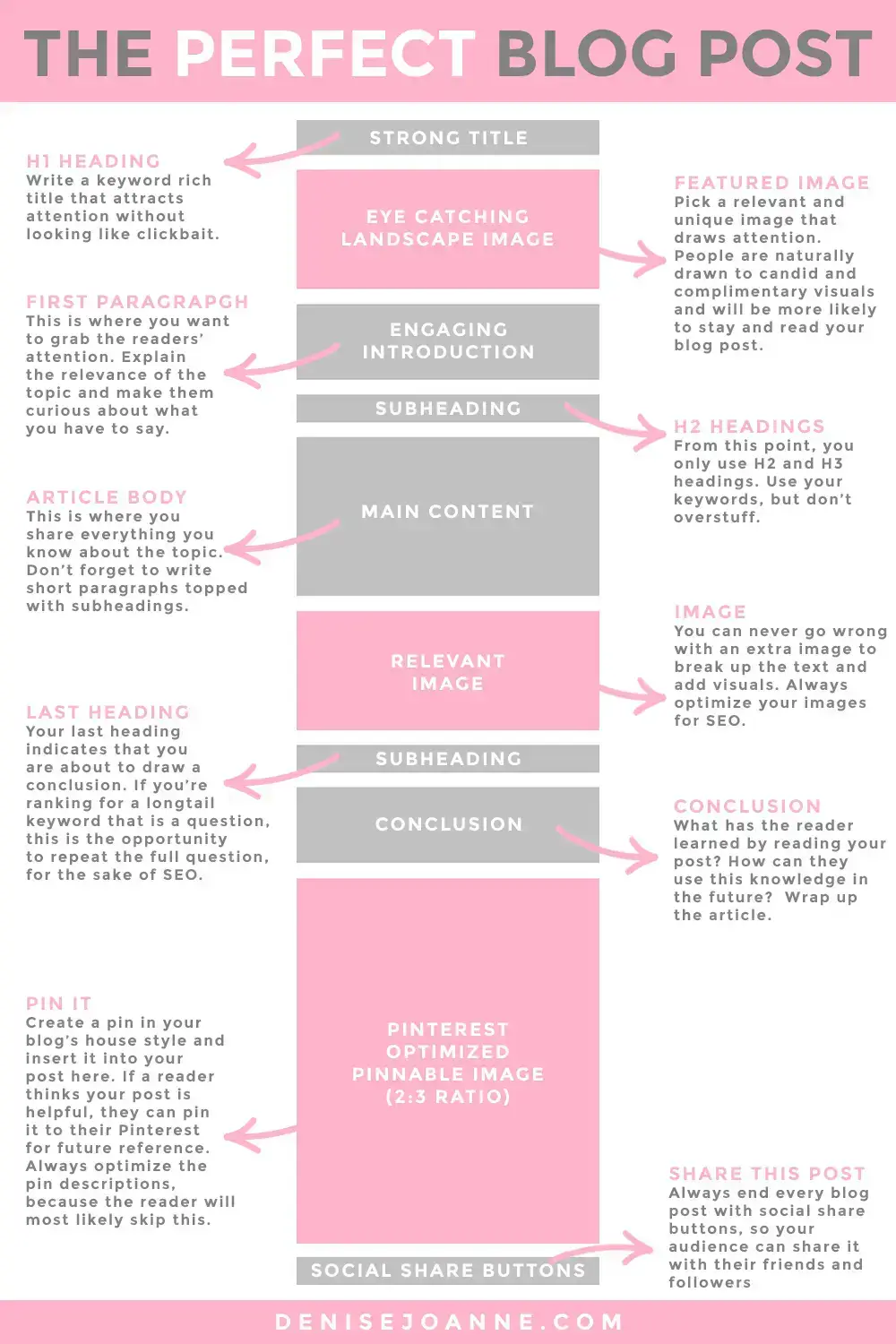
Good structure makes the experience feel easier immediately.
Use headings naturally to separate ideas. Keep paragraphs reasonably short. Give important sections room to breathe instead of cramming everything together into dense blocks of text.
Your headings should guide readers through the page without sounding forced or over-optimised.
Not every heading needs to include the exact keyword either. In fact, that often makes pages feel more artificial.
A cleaner structure also helps search engines understand the page more clearly without needing aggressive optimisation tactics.
That balance matters.
You want the SEO structure underneath the page, not dominating the reading experience.
Keywords Still Matter. Just Not In The Old Way
Keywords help search engines understand relevance. That part has not changed.
What has changed is how naturally they need to be used.
You do not need to repeat the same phrase twenty times anymore. Most of the time, that just damages readability and makes the content feel awkward.
A simple structure usually works well:
- include the keyword in the title
- use it naturally in the introduction
- include it in one or two headings
- mention it again later in the article where relevant
After that, focus on writing clearly.
Related language and natural phrasing build context anyway. If your topic is “garden design ideas”, phrases like “small garden layouts”, “landscaping inspiration”, or “modern outdoor spaces” will appear naturally if the explanation is useful.
That is usually enough.
A good test is reading the sentence out loud.
If it sounds forced in conversation, it probably reads awkwardly too.
Honestly, some SEO content still reads like it was written by somebody terrified Google might miss the topic unless the keyword appears every other paragraph.
That approach tends to make pages worse, not better.
Search The Topic Before You Write Anything
One of the simplest habits in SEO is also one of the most useful.
Search the keyword yourself before writing.
Look properly at the pages already ranking. Not to copy them. To understand what search engines currently see as useful and where the gaps are.
Sometimes the top results are detailed guides. Sometimes they are category pages or service pages. That immediately tells you something about intent.
It also shows where competitors are weak.
A lot of top-ranking content still feels overly polished and strangely repetitive. Some articles spend thousands of words saying very little. Others feel so heavily optimised that they become difficult to trust.
That creates opportunities.
Sometimes simply explaining something more clearly already makes your content stronger. Sometimes the opportunity is practical examples. Sometimes it is tone.
A page that sounds like a real person explaining something naturally often stands out immediately against content that feels engineered.
Top Tip
“Before writing, study the top results carefully. Look at the structure, the tone, and the gaps.”
Quite often the biggest opportunity is not more optimisation. It is creating something more useful and easier to understand.
Internal Links Help More Than Most Businesses Realise
Internal linking is one of the simplest SEO improvements many websites ignore.
When done properly, internal links help both readers and search engines understand how your content connects together.
That could mean:
- linking a blog post to a service page
- connecting related guides together
- referencing supporting articles naturally inside the content
The important part is relevance.
Links should help readers continue exploring the topic logically. If they only exist for SEO reasons, people can usually tell.
For smaller or newer websites, internal links also help search engines discover important pages faster and understand which sections of the site matter most.
You do not need hundreds of links everywhere either.
A small number of useful, well-placed internal links is normally far more effective than stuffing links into every paragraph.
Evergreen Content Usually Produces Better Results Long Term
A lot of businesses feel pressure to publish constantly.
Realistically, that is not always necessary.
What matters more is maintaining useful content that continues helping people over time.
Evergreen content tends to perform well because the topic stays relevant months or even years later. Things like beginner guides, pricing explanations, service information, and practical how-to content often fall into this category.
Updating strong existing pages regularly usually produces better results than endlessly publishing weak new content that never gains traction.
That part gets overlooked because publishing feels more productive than improving.
Sometimes small updates make a noticeable difference:
- refreshing outdated information
- improving headings
- rewriting introductions
- adding clearer explanations
- improving internal links
- expanding sections that feel thin
You do not always need a full rewrite. Often the page already has potential. It just needs improving.
Strong Content Naturally Supports Link Building
Useful content attracts links more naturally because people actually want to reference it.
That could be:
- a detailed guide
- a useful local resource
- original research
- a clear explanation competitors missed
- a genuinely practical article
You do not need to obsess over “viral” content or artificially force link-worthy ideas into existence.
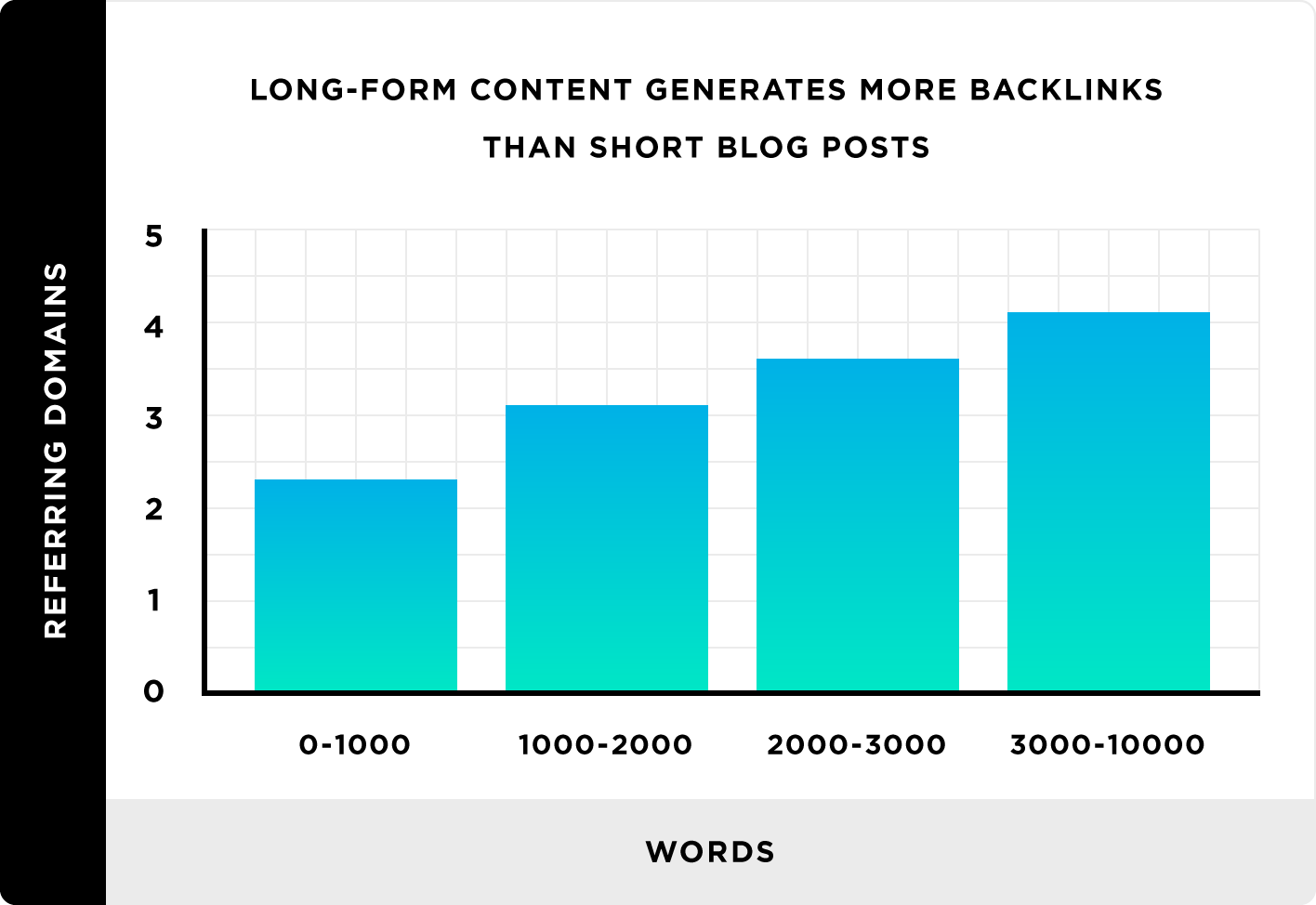
Most of the time, consistently useful pages are enough.
Honestly, this is where weaker SEO strategies often start falling apart. Businesses focus heavily on backlinks while ignoring the quality of the page itself.
If the content is weak, outreach becomes much harder because there is nothing genuinely valuable behind it.
Good content gives people a reason to link in the first place.
Monitor What Happens After Publishing
Publishing the page is only part of the process.
Most SEO content takes time to build momentum properly. Sometimes weeks. Sometimes months. That is normal.
Google Search Console helps you understand:
- what keywords the page appears for
- how many clicks it receives
- where rankings are improving
Google Analytics helps explain what people actually do once they land there.
Are visitors staying on the page?
Are they exploring other sections of the site?
Are they leaving immediately?
Those patterns usually reveal where improvements are needed.
Sometimes the issue is intent mismatch. Sometimes the introduction is weak. Sometimes the structure becomes difficult to follow halfway through the article.
Small improvements often make a bigger difference than people expect.
As websites grow, connecting content properly also becomes increasingly important. Blog posts, service pages, and supporting resources should reinforce each other naturally instead of existing as isolated pages.
How All This Ties Together
You do not need to be a professional writer to create strong SEO content.
You just need to be useful.
If the page answers a real question clearly and helps somebody move forward without confusion, you are already doing most things correctly.
Write for readers first.
Keep the language straightforward. Explain things properly without overcomplicating them. Structure the page so people can scan it easily and find what they need quickly.
That alone already puts your content ahead of a surprising amount of what currently ranks.
Good SEO content tends to feel simple when it works well. People land on the page, get the information they needed, and continue naturally towards the next step. Maybe that is reading another article, making an enquiry, booking a service, or comparing options.
Either way, the page did its job without needing to shout about it.