DIY SEO for small businesses is not about chasing tricks or trying to copy massive brands with huge marketing budgets. Most small businesses do not need complicated SEO campaigns. They need a website that is clear, trustworthy, and easy for both Google and real people to understand.
That sounds simple. In practice, this is usually where things start to drift.
A lot of small business websites struggle for the same reasons. Service pages are too thin. The wording does not match the phrases customers actually type into Google. Contact details are buried. Pages feel awkward on mobile. Or the site never really gives visitors confidence to take the next step.
DIY SEO fixes those gaps gradually. Not through shortcuts. Not through hacks. Mostly through consistency.
When somebody searches for the service you offer, your job is fairly straightforward. You need to show Google that your page is relevant, and you need to make the visitor feel comfortable enough to call, enquire, or book.
That is really what good SEO is doing underneath all the technical language.
Summary
- DIY SEO works best when you focus on clarity, trust, and consistency rather than tricks
- Strong service pages usually outperform thin pages targeting dozens of keywords
- Local searches often bring better leads because the intent is clearer
- Mobile usability matters more than many small businesses realise
- Google Search Console gives useful free data for tracking progress
- Reviews, local signals, and proof of work support both rankings and conversions
- Internal linking and better page structure are often overlooked wins
- Helpful content builds trust and supports long-term visibility
- AI-driven search still rewards clear information and trustworthy businesses
- SEO progress is normally gradual, not instant
What SEO Actually Means
SEO is simply the work of making your website easier for search engines to understand and genuinely useful for the people visiting it.
Search engines are trying to figure out a few things:
- Does this page match the search?
- Is the information clear?
- Does the site load properly?
- Can people use it easily on mobile?
- Does the business look trustworthy?
Your job is to make those signals obvious.
That means using the words real customers use. Structuring pages clearly. Making navigation simple. Removing friction wherever possible.
A good way to think about SEO is this.
It is not really about gaming Google.
It is about making things easier.
Less friction for search engines. Less friction for customers.
That is usually where small business SEO starts improving.
Top Tip
“Start with customer language, not keyword tools. The phrases people use on calls, in emails, in DMs, and during quote requests are often better than the phrases people obsess over inside SEO software.”
If you remember one thing from this guide, remember this.
SEO works best when your pages match real searches, load properly on mobile, and make the next step obvious.
Everything else builds from there.
Why SEO Still Matters For Small Businesses
A lot of small businesses rely on referrals. That has not changed.
What has changed is what happens after somebody gets recommended.
People nearly always check online first.
They look for signs that the business is real, active, local, and trustworthy. A weak website quietly damages trust even when the recommendation itself was strong.
That part gets overlooked constantly.
A clear website with useful service pages, recent information, real photos, and visible reviews gives reassurance quickly.
SEO also helps smaller businesses compete with bigger companies in a way that paid ads often cannot.
Large brands can spend far more on advertising, but they often struggle to sound local, personal, or genuinely specific. A well-written local service page can still outperform a generic national page for searches like:
- “Emergency plumber in Leeds”
- “Wedding florist in York”
- “Accountant for small businesses Bristol”
Those searches tend to bring better leads because the intent is clearer.
There is also the conversion side of things.
A site that loads quickly, answers questions clearly, and works properly on mobile tends to generate more enquiries from the same amount of traffic. Rankings matter, obviously. But rankings without enquiries do not mean much.
Sort Out The Foundations Before Anything Else
One of the easiest mistakes in DIY SEO is jumping straight into blogs and keywords before checking the basics.
Honestly, this is where a lot of confusion starts.
You can spend months writing content while technical issues quietly hold the site back underneath.
Make Sure Google Can Access Your Pages
Your key pages need to be crawlable and indexable.
In plain English, Google needs to be able to access them and decide they are worth showing in search results.
If you built the site yourself, it is surprisingly easy to accidentally block pages with a noindex setting, a plugin toggle, or even password protection left switched on.
That sounds obvious until it happens.
Checking this early saves a lot of wasted time later.
Set Up Google Search Console
Google Search Console is still one of the best free SEO tools available.
It shows:
- Which searches trigger your pages
- Which pages get impressions
- Which pages actually get clicks
- Indexing problems
- Mobile usability issues
- Technical warnings
Even if you do nothing else this week, setting up Search Console is worth doing.
The data helps you spot opportunities quickly. Sometimes a page is already appearing in results but simply needs a clearer title or stronger opening section.
Those are often easy wins.
Check Your Website Properly On Mobile
Most local searches happen on phones now.
People scroll quickly. Tap quickly. Leave quickly.
If your site feels awkward on mobile, people disappear before they enquire.
Open your service pages on your own phone and check a few basics:
- Can you read the text without zooming?
- Is the phone number clickable?
- Can visitors find pricing information quickly?
- Are service areas obvious?
- Is the contact form easy to use?
Small things matter here.
A clunky mobile experience quietly loses enquiries even when rankings look decent.
Keyword Research Should Reflect Real Searches
Keywords are simply the phrases people type into Google.
The goal is not collecting hundreds of them.
The goal is choosing the right searches and matching them to the right pages.
Start With Your Services
Write down your core services first.
Then think about how real customers search around those services.
Usually they add context like:
- Location
- Urgency
- Pricing
- Specific problems
- Timeframes
So instead of searching “plumber”, people search:
- “Emergency plumber in Salford”
- “Boiler repair near me”
- “24 hour plumber Leeds”
- “Boiler pressure dropping fix”
The search becomes more specific because the customer already knows roughly what they need.
That is why local and long-tail searches often convert better.
Use Free Tools Without Overthinking It
Google itself gives plenty of clues.
Autocomplete suggestions, related searches, and “People also ask” sections are often enough to guide early keyword research.
You can also use:
- Google Keyword Planner
- Ubersuggest
- Google Trends
- Search Console itself
Do not get obsessed with massive search volume numbers.
For small businesses, lower-volume local phrases are often far more valuable because the intent is stronger.
Ten good enquiries matter more than a thousand random visits.
Match Keywords To Pages
One of the most common SEO mistakes is trying to make one page rank for everything.
Usually it just creates vague pages that never fully satisfy any search.
A simple structure works better.
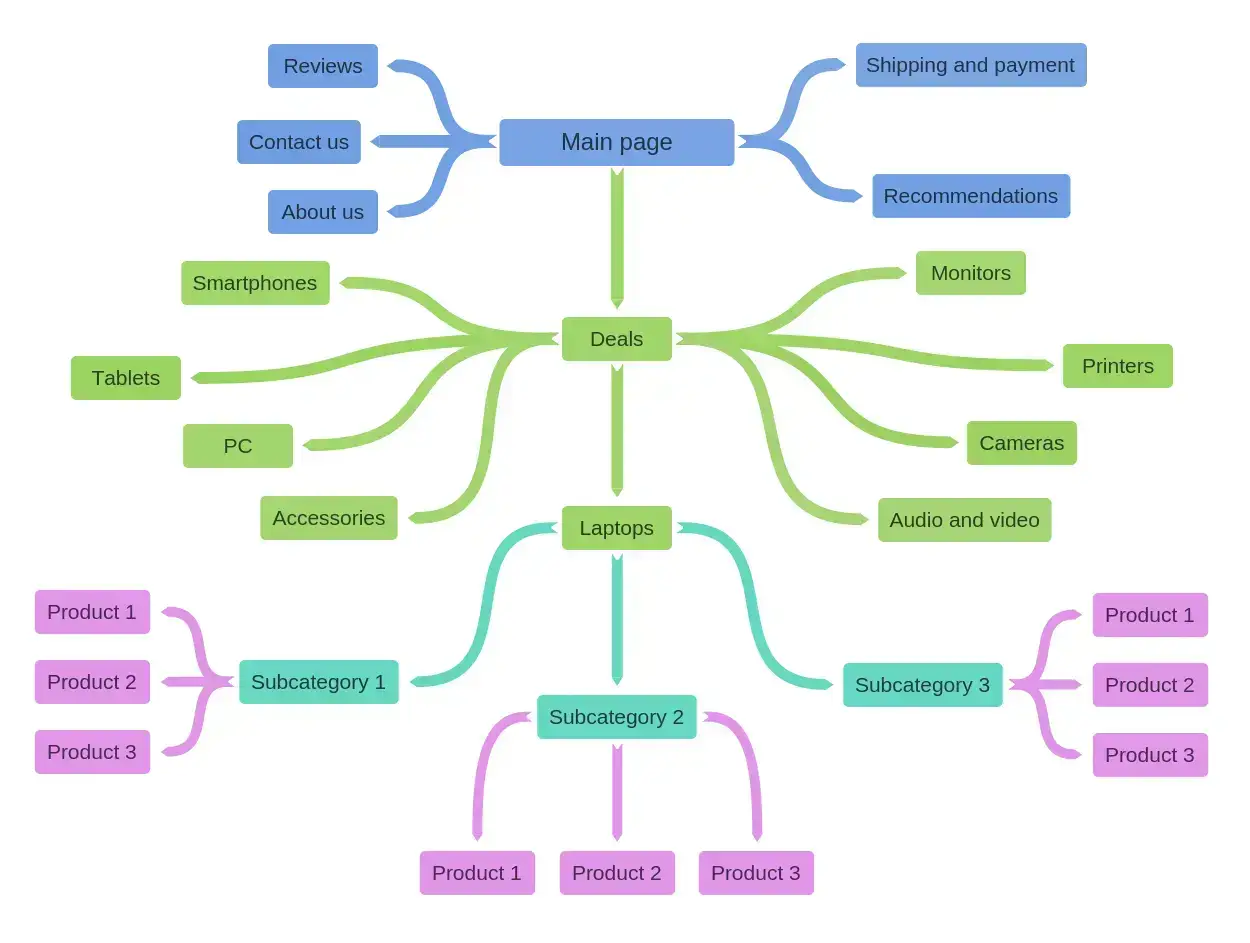
Your homepage should target:
- Your brand
- Your core service
- Your main location
Each major service should have its own page.
Blog posts should answer questions and related problems.
Location pages should only exist if you can make them genuinely useful.
Most businesses go too far with location pages and end up with dozens of near-identical pages swapping town names.
Google is better at spotting that now.
Top Tip
“Longer, more specific searches usually convert better. Somebody searching “kitchen fitter Liverpool price” is often much closer to booking than somebody searching “kitchens””
Fewer strong pages normally outperform lots of thin pages.
That pattern shows up constantly.
On-Page SEO Should Feel Clear And Natural
On-page SEO is simply the work you do on the page itself.
Think of it like organising a shop properly.
If everything is clearly labelled and easy to navigate, people find what they need faster.
Search engines work in a similar way.
Write Page Titles That Match Intent
Your page title is normally the clickable headline people see in Google.
Keep it direct.
A simple structure works well for local services:
Service + Location | Brand
Examples:
- Boiler Repair in Sheffield | ABC Heating
- Wedding Flowers in Leeds | Rose & Pine Florist
- Emergency Electrician in York | Northside Electrical
Avoid stuffing multiple locations into one title.
It usually looks spammy and reads badly.
Meta Descriptions Should Help People Choose You
Meta descriptions are the short snippets underneath the title.
Google does not always use them exactly as written, but they still help shape click-through rates.
Write them for people first.
Keep them specific.
A decent meta description might look like this:
Local boiler repairs in Sheffield with clear pricing and fast callouts. Book a visit or get advice over the phone.
Simple. Useful. Human.
Use Headings To Make Pages Easier To Scan
Most visitors skim pages first.
Especially on mobile.
Good heading structure helps both readers and Google understand the page quickly.
A service page might include:
- H1: Boiler Repair in Sheffield
- H2: Common Boiler Problems We Fix
- H2: What Happens During A Repair Visit
- H2: Pricing And Callout Information
- H2: Areas We Cover
- H2: Book A Repair
That structure feels natural because it follows the customer journey.
Internal Links Matter More Than People Think
Internal links help visitors move through your website naturally.
They also help search engines understand which pages connect together.
If you write a blog about boiler pressure problems, link naturally to your boiler repair page.
If you mention another service, connect the pages.
This is one of the most overlooked parts of DIY SEO because everybody focuses on new content instead.
Meanwhile, existing pages often sit disconnected.
Image Names And Alt Text Still Help
Rename images before uploading them.
“kitchen-fit-liverpool.jpg” gives more context than “IMG_4821.jpg”.
Add simple alt text describing the image naturally.
Do not stuff keywords into it.
Accessibility matters here too, not just SEO.
Top Tip
“If a sentence sounds awkward when read out loud, it probably reads awkwardly on the page too.”
That simple test catches a surprising amount of bad SEO writing.
Your Service Pages Should Carry More Weight
A lot of small business websites still have very thin service pages.
Usually it is a short paragraph, a stock image, and a contact form.
That is rarely enough now.
A strong service page answers questions before the customer needs to ask them.
It removes doubt.
It explains the process clearly.
And it makes the next step feel obvious.
What Strong Service Pages Usually Include
Start with a clear overview of the service and where you offer it.
Then build depth naturally.
Useful sections often include:
- How the process works
- Common problems customers face
- Pricing guidance
- Timelines
- Areas covered
- FAQs
- Proof of work
- Reviews or testimonials
- What happens next
This is where smaller businesses can outperform larger competitors.
Big national companies often publish generic pages written for everyone.
Smaller businesses can write pages that actually feel local and specific.
That difference matters.
Add Trust Signals Naturally
Proof does not need to feel overproduced.
A few genuine reviews, real project photos, or short examples of completed work are usually enough.
People mainly want reassurance.
They want to feel confident the business is legitimate and experienced.
Real photos nearly always help more than polished stock imagery.
Local SEO Usually Delivers The Fastest Wins
If your business serves a defined area, local SEO is often where results appear first.
Especially for trades, professional services, hospitality, beauty, health, and home services.
Get Your Google Business Profile Properly Filled Out
Your Google Business Profile plays a huge role in local visibility.
Complete it properly.
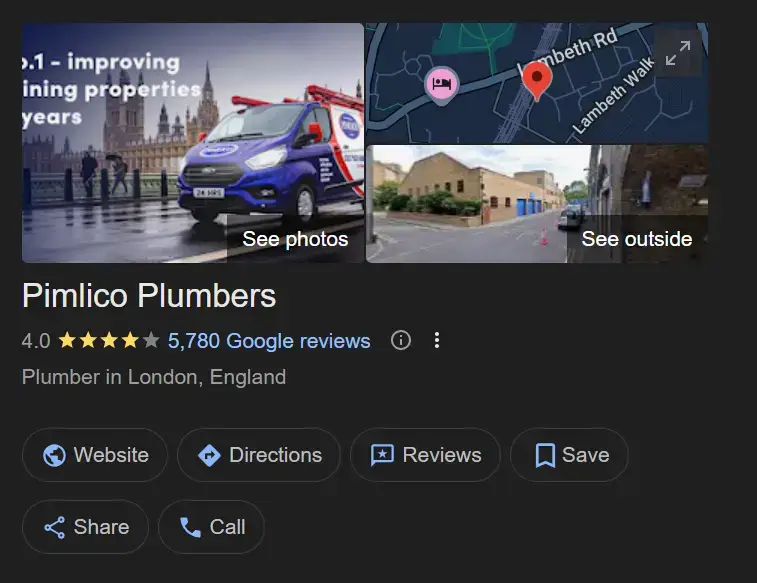
Your Google Business Profile helps you appear in map results and local packs. Fill it in fully and keep it updated.
That includes:
- Accurate business name
- Correct phone number
- Real opening hours
- Proper categories
- Recent photos
- Updated business information
A neglected profile quietly weakens local visibility.
Reviews Matter More Than Most Businesses Realise
Reviews support both rankings and conversions.
A lot of people compare businesses quickly before choosing who to contact.
Strong reviews reduce hesitation.
The important thing is consistency.
Do not panic about collecting hundreds overnight.
Build a steady process instead.
Ask customers after successful jobs. Send a direct review link. Reply naturally.
Avoid robotic copy-and-paste responses.
People can tell.
Keep Your Business Details Consistent Everywhere
Your business name, address, and phone number should match across:
- Your website
- Google Business Profile
- Directories
- Social profiles
- Industry listings
Inconsistent information creates confusion.
Sometimes it even leads to missed enquiries because old phone numbers remain live on outdated listings.
That happens more often than people realise.
Content Helps Build Visibility Gradually
Blogging is not magic.
But useful content does help.
Especially when it answers real customer questions.
Write About The Questions You Hear Repeatedly
This is usually the easiest place to find content ideas.
Think about:
- Questions people ask during calls
- Problems customers mention repeatedly
- Pricing concerns
- Timing questions
- Common misconceptions
If you are a roofer, people ask about:
- Signs of roof damage
- Repair costs
- Storm damage
- Replacement timelines
If you are an accountant, they ask about:
- Deadlines
- Expenses
- Software
- Tax confusion
That is your content strategy sitting right in front of you.
Useful content feels conversational and practical.
Not overly polished.
Write the way you would explain it to somebody over the phone.
Build Small Topic Clusters Naturally
As your content grows, related pages should connect together.
For example, a cleaning company might build content around end-of-tenancy cleaning:
- Main service page
- Tenant checklist
- Landlord expectations
- Oven cleaning advice
- Carpet cleaning timing
That structure helps internal linking and topical relevance naturally.
You do not need to overcomplicate it.
Top Tip
“Improve your main service pages before publishing endless new blogs.”
One strong money page often outperforms five rushed articles.
That balance matters.
Refresh Older Content Occasionally
Old content slowly loses relevance.
A quick update every few months can help:
- Add new examples
- Refresh photos
- Tighten introductions
- Update outdated pricing references
- Improve internal links
You do not always need brand new content.
Sometimes improving what already exists is the smarter move.
Link Building Still Matters, Just Not In The Way People Think
Links from other websites still act as trust signals.
But small businesses usually do better focusing on relevant local links rather than chasing huge numbers.
Local Relationships Often Create The Best Links
Useful local links can come from:
- Local sponsorships
- Chambers of commerce
- Community organisations
- Suppliers
- Industry partners
- Local newspapers
- Event pages
These links make sense because they reflect real relationships.
That matters more than random directory submissions.
Avoid Cheap Link Schemes
Spammy paid links and low-quality directories rarely help long term.
Sometimes they create problems later instead.
If a link looks unnatural or irrelevant, it probably is.
A few sensible links are usually more valuable than hundreds of poor ones.
Monitoring SEO Without Becoming Obsessed
SEO takes time.
Tracking progress matters, but checking rankings every few hours usually just creates stress.
The goal is steady improvement.
Not daily perfection.
Use Search Console To Spot Opportunities
Search Console shows:
- Impressions
- Clicks
- Average rankings
- Click-through rates
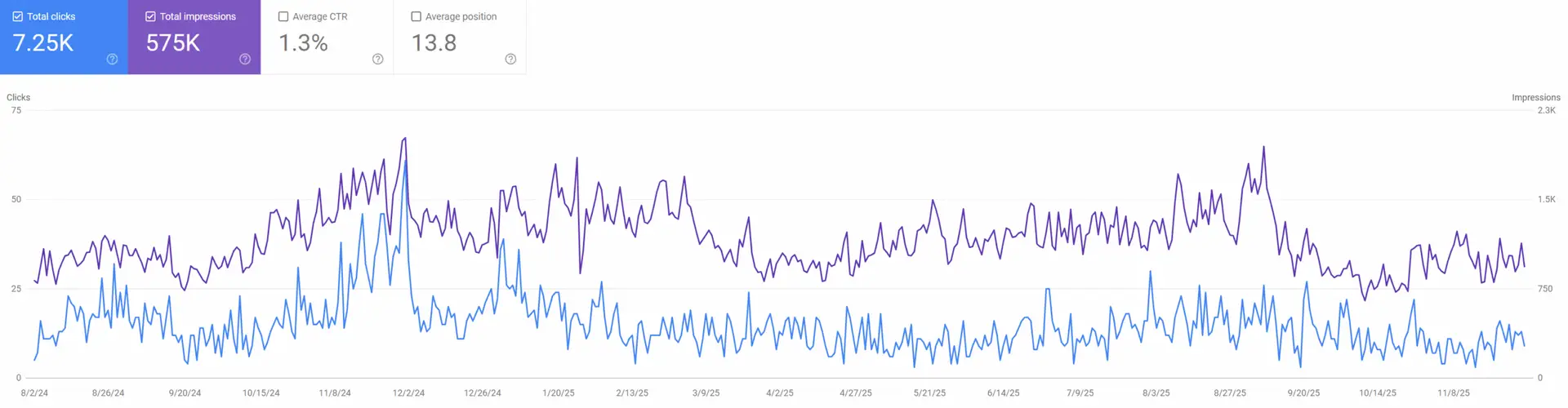
One useful habit is checking for pages with impressions but weak click-through rates.
Often those pages improve with:
- Better titles
- Clearer meta descriptions
- Stronger introductions
- Better formatting
Those changes are usually easier than trying to rank entirely new pages.
Analytics Shows What Visitors Actually Do
Google Analytics helps you understand behaviour after people land on the site.
Questions worth asking:
- Do visitors stay on the page?
- Do they visit other pages?
- Do they call?
- Do they submit forms?
- Where do they leave?
Sometimes a page ranks well but converts badly.
That is still a problem.
Ranking alone is not the goal.
Simple Tracking Is Enough At The Start
You do not need expensive software immediately.
Even a spreadsheet tracking 10 to 20 important searches monthly is enough to notice patterns.
Track:
- Rankings
- Traffic changes
- Enquiries
- Page updates
Over time, you start seeing what actually moves things forward.
And yes, rankings fluctuate.
That is normal.
A small drop for a few days is not automatically a disaster.
AI-Driven Search Is Changing Things, But The Basics Still Matter
Search is shifting towards AI-generated summaries and answer-based results.
Google’s AI Overviews are part of that change.
For small businesses, the practical takeaway is fairly simple.
Clarity and trust matter even more.
Businesses with:
- Clear service information
- Consistent branding
- Genuine reviews
- Strong local signals
- Helpful content
- Real expertise
are easier for search systems to understand and reference.
Thin websites struggle because there is very little context or trust built into them.
That does not mean keywords stop mattering.
It simply means SEO now works alongside broader trust signals.
Real photos. Clear contact information. Consistent business details. Useful explanations. Genuine reviews.
Those things support visibility across both traditional search and AI-driven results.
The fundamentals still carry most of the weight.
SEO FAQs For Small Businesses
How long does DIY SEO take to show results?
Small improvements can appear within weeks, especially inside Search Console impressions and local visibility. More meaningful growth usually takes longer. Competition, website quality, and consistency all play a role.
The important thing is watching for gradual progress rather than expecting instant ranking jumps.
Which pages should I improve first?
Start with the pages closest to generating revenue.
Usually that means:
- Main service pages
- Contact page
- Key local pages
- Homepage
A strong service page targeting a clear search often brings better results than publishing endless blogs.
Do small businesses actually need a blog?
Not always.
Some local businesses perform well with strong service pages, reviews, and a good Google Business Profile alone.
A blog becomes useful when customers search lots of questions around your services.
The key is usefulness.
Not publishing content for the sake of it.
What if my business serves multiple towns?
That is completely workable.
Just avoid creating dozens of near-identical location pages with swapped place names.
Focus on strong service pages first.
Then build genuinely useful location pages for your core areas where you can add specific local detail.
Are paid SEO tools necessary?
Not at the start.
Free tools like:
- Google Search Console
- Google Analytics
- Google Trends
can take you surprisingly far.
Paid tools become useful later for competitor research, audits, and easier tracking.
How This All Ties Together
DIY SEO is not really about doing everything.
It is about doing the right things consistently.
Start with the foundations. Build stronger service pages. Improve mobile usability. Keep your business information accurate. Add helpful content gradually. Strengthen trust signals over time.
That steady approach works better than constantly chasing shortcuts.
As search continues shifting towards AI-driven answers, trust becomes even more important. Businesses that communicate clearly, show real expertise, and maintain consistent information across the web are simply easier to recommend.
The good news is that most small businesses do not need a huge SEO operation.
They need clarity.
They need consistency.
And they need pages that genuinely help people.
That is usually where meaningful SEO growth starts.