If you’re just getting started with SEO, it’s easy to think there’s some hidden formula behind Google rankings.
Most people end up overwhelmed because SEO gets explained in a way that sounds far more complicated than it usually is. Algorithms. Technical audits. Ranking factors. Endless checklists.
In reality, most businesses improve their visibility by getting a few fundamentals consistently right.
Good SEO is mostly about clarity.
Your website needs to clearly explain what you do, who you help, and why somebody should trust you. Search engines are trying to understand that. Real people are too.
That’s the part people often miss.
SEO is not really about chasing Google. It’s about making your website easier to understand and more useful when somebody lands on it.
If your pages answer questions properly, explain services clearly and make it easy for people to move through the site, you’re already doing more right than a lot of businesses.
Summary: How To Get Found On Google
- SEO works best when your website clearly explains what you do and who you help.
- Search intent matters more than forcing keywords into every paragraph.
- Each page should focus on one clear topic or service.
- Clear headings and readable formatting help both users and search engines.
- Internal links help visitors and Google move through your site more easily.
- Helpful content usually outperforms over-optimised copy.
- A small number of strong backlinks is often enough.
- Search Console and GA4 help you improve pages that already show potential.
- SEO tends to reward consistency more than shortcuts.
Why SEO Still Matters
Search is still where most people start.
If somebody needs a local service, wants to compare products, solve a problem or check pricing, there’s a good chance they’ll begin with Google.
Showing up in those results matters because you’re appearing in front of people already looking for something relevant.
That’s very different from interrupting people with ads.
Organic traffic usually arrives with intent attached to it. Somebody searched for something specific, found your page and clicked because they expected it to help.
And when a page performs well organically, it can continue bringing traffic long after it’s published.
Not instantly obviously. SEO is rarely quick.
But useful pages tend to build momentum over time. That’s why businesses still invest in it.
Search engines are trying to show the most useful result for every search. Your job is simply to make it easier for them to understand that your page deserves to be there.
Start With What People Are Looking For
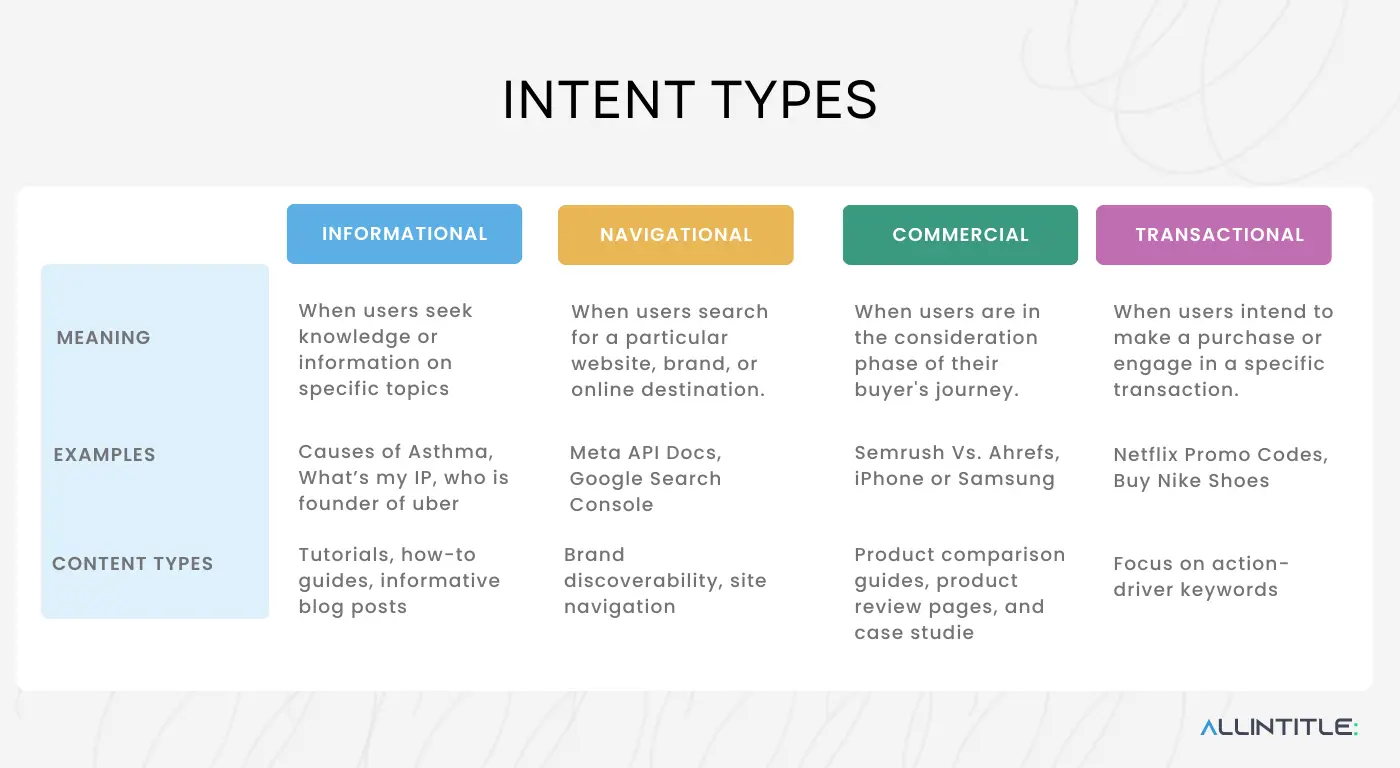
Behind every Google search is intent.
Somebody searching “emergency electrician near me” probably needs help quickly.
Someone searching “why does my fuse box keep tripping” is still trying to work out what’s happening.
Those searches need different types of content.
One of the biggest SEO mistakes businesses make is writing pages around what they want to say rather than what customers are actually searching for.
That’s usually where things go wrong.
The content becomes vague, overly broad or filled with information nobody was really looking for.
Instead, think about what the person landing on the page actually needs.
Are they:
- comparing options?
- trying to understand pricing?
- looking for reassurance?
- ready to book?
- trying to solve a problem quickly?
The clearer the page answers that need, the stronger it usually performs.
Top Tip
“One of the easiest ways to understand your audience is to use Google exactly the way they would.”
Search for your services and study what appears.
Look at the “People also ask” section. Pay attention to titles competitors use repeatedly. Notice the wording that keeps appearing.
You’ll usually start spotting patterns quite quickly.
Sometimes people want guides. Sometimes they want pricing. Sometimes they just want reassurance that a business looks trustworthy.
That insight is far more useful than obsessing over tiny SEO details most customers will never care about.
Use Keywords Sensibly
Keywords still matter because they help search engines understand the topic of a page.
But SEO moved on a long time ago from stuffing exact phrases into every paragraph.
Most people can spot that kind of writing instantly now. It sounds awkward because it is awkward.
A better approach is to keep each page focused around one main topic or search phrase, then write naturally around it.
For example, if you run a bakery in York, targeting “artisan bakery York” makes far more sense than trying to rank for a huge broad term like “bakery”.
That phrase should appear naturally in important places like:
- the page title
- the H1 heading
- the opening section
- supporting copy where relevant
After that, clarity matters more than repetition.
Google is much better at understanding context, related phrases and natural language than it used to be.
Honestly, businesses often overcomplicate this part. Either they ignore keywords completely or they force them into every sentence.
Usually the best option sits somewhere in the middle.
The goal is simple really. Use the same language your customers use, then answer the reason behind the search properly.
Build Pages For User Experience And Not For Google
Every page should have a clear purpose.
If it’s a service page, explain the service properly. If it’s a blog post, answer the question clearly. If it’s a product page, help somebody decide if the product is right for them.
Simple sounds obvious, but loads of websites still get this wrong.

Nike Home Page: Showcasing the page title and meta description for the page.
Some pages try to say too much. Others bury the important information halfway down. Some are so obviously written for search engines that they barely sound human anymore.
Keep things focused.
Start with a clear page title that explains what the page is about. Write a meta description that gives somebody a reason to click.
Use headings naturally so the page is easy to scan.
Your main heading should be the H1. Supporting sections can use H2s and H3s where needed. That helps both readers and search engines understand how the content is structured.
But readability matters more than rigid formatting.
Nobody wants to fight through giant blocks of text just to find a simple answer.
Getting found on Google is not just about what you write either. It’s also about how easy your website is to move through once people arrive.
Search engines move through websites in a similar way to people.
If pages are difficult to find, buried too deeply or disconnected from the rest of the site, they’re less likely to perform well.
A simple structure usually works best.
Your main services should be easy to reach from the homepage. Visitors should not need five clicks just to find basic information.
Internal links help here too.
If you mention another relevant service or related topic, link to it naturally.
For example, a page about roof repairs might also link to:
- emergency roofing services
- gutter repairs
- roof maintenance advice
- related case studies
That helps users continue exploring the site, while also helping Google understand how pages connect together.
And realistically, if the link genuinely helps the reader, it’s probably helping SEO as well.
Focus On Your Users
Content does not need to sound clever.
It needs to be useful.
That might mean:
- answering common questions clearly
- explaining services honestly
- comparing products properly
- helping somebody make a decision
The best pages usually remove confusion rather than adding more information.
A short useful page will often outperform a long page full of filler.
Specific content also tends to perform better.
“Patio Cleaning Tips” is broad.
“How To Clean Natural Stone Patios Without Damaging Them” is much more useful because it solves a more precise problem.
That specificity often improves rankings naturally because the page aligns more closely with the search itself.
Top Tip
“It’s better to have a few strong, useful pages than dozens of weak ones.”
Before publishing something, ask yourself:
- does this actually help someone?
- is there anything useful here competitors missed?
- would somebody leave this page feeling informed or reassured?
If not, the content probably needs refining.
Most businesses rush this part.
Understand Backlinks
When another website links to yours, it acts as a signal of trust.
Search engines use backlinks as one way of understanding credibility and authority.
But quality matters far more than volume.
You do not need hundreds of backlinks.
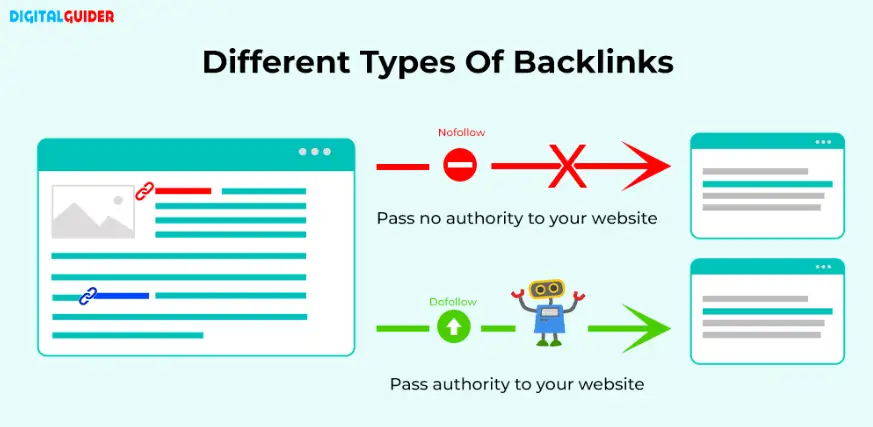
A handful of relevant links from good websites can make a real difference.
That might include:
- local press
- industry associations
- suppliers
- partner businesses
- community organisations
The best backlinks usually happen naturally.
Useful businesses get mentioned. Helpful resources get referenced. Good local companies get recommended.
Buying links or chasing spammy placements usually creates more problems than benefits.
Google has become very good at spotting unnatural patterns.
A healthy backlink profile normally looks fairly ordinary.
Businesses mentioning businesses. Communities linking to local companies. Useful content getting shared because it’s genuinely worth sharing.
Consistently Track & Monitor
SEO rarely works perfectly first time.
That’s normal.
Sometimes pages begin appearing in search results weeks before they start attracting clicks. Early impressions are often a positive sign because they show Google is starting to understand the page.
This is where Google Search Console and GA4 become useful.
Search Console helps you see:
- which pages appear in search
- what people searched for
- impressions and clicks
- technical issues affecting visibility
GA4 helps you understand what people do after landing on the website.
Are they staying? Are they exploring more pages? Are they leaving immediately?
Those patterns tell you a lot.
For example:
- if a page gets impressions but few clicks, the title may need improving
- if visitors leave quickly, the content may not match the search intent properly
- if one page performs well consistently, it may be worth expanding similar content around that topic
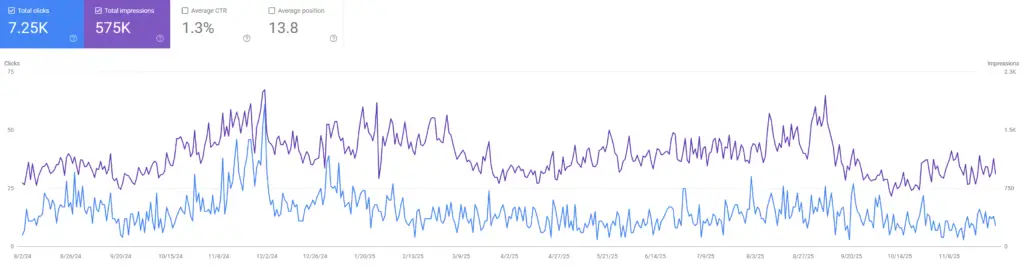
SEO improvements are often gradual.
Small refinements made consistently usually outperform dramatic overhauls that happen once and then get ignored.
Google Search Console Data, Showing Clicks and Impressions